It looks like you're using an Ad Blocker.
Please white-list or disable AboveTopSecret.com in your ad-blocking tool.
Thank you.
Some features of ATS will be disabled while you continue to use an ad-blocker.

The Clone Conspiracy: Stars and Celebrity Clones
page: 12share:
Hi Captain,
You sure went in deep with your last suggestion. Believe it or not, that possibility has been bugging me lately, and some folks in this thread think that they might not actually be quite human either... Regarding Cloning Facilities, we don't even know if such are that needed. That clay is needed is known from recent scientific documents but also from the Sumerian tablets as well as the holy bible that mentions that Adam was made from clay. How sanitized must the facilities be? It could be done in somebody's cellar for all we know.
There are plenty of secret facilities in every nation in the world. What goes on there is also highly classified, so it could be pretty much anything they want. That proof isn't present doesn't make things untrue. There was significant truth to convince the skeptics that the Earth was flat: there were hills and valleys, but as far as you could walk it would always be beneath your feet and show no substantial signs of having another shape. So folks were free to believe that the Earth is flat, if that suits them. In the case of Clones, it isn't just a case of whether you are willing to believe something for which you haven't received sufficient proof, it is also the case of whether you persist in believing in something, for example "Clone's don't exist" although the evidence you base that certainty upon is possibly misleading you to believe something false?
Hi Cube,
Thanks for your links. I think you have quite a knack for picking them. However, when you get the luck of finding an old portrait that doesn't have their ears hidden by a wig or hair, then do match the ears. Their position on the cranium, and their general appearance but especially the pattern inside the ear is paramount; this doesn't change with clones. However they can have somewhat different ear lobes, more or less sunken eyes, slightly different soft tissues, and still be clones. One example which can teach us how they can be alike yet different is the several George W. Bush Clones. Their ears were quite different in size although the inner pattern was identical.
One of your selections seems to have a different ear pattern, so I wouldn't be so sure in such an instance. Noses can be slightly longer, shorter, thinner or thicker but will usually be of a similar style. Another important vector for Clone Identification is the shape of the eye arches, the brow and skull shape, as well as the proportions of the features to overall skull size and the slope of the face, etc. Ear height respective to ears is another, and in general the distances of one feature to another, such as the space between the chin and the mouth and then the nose. FWIW
Getsmart
You sure went in deep with your last suggestion. Believe it or not, that possibility has been bugging me lately, and some folks in this thread think that they might not actually be quite human either... Regarding Cloning Facilities, we don't even know if such are that needed. That clay is needed is known from recent scientific documents but also from the Sumerian tablets as well as the holy bible that mentions that Adam was made from clay. How sanitized must the facilities be? It could be done in somebody's cellar for all we know.
There are plenty of secret facilities in every nation in the world. What goes on there is also highly classified, so it could be pretty much anything they want. That proof isn't present doesn't make things untrue. There was significant truth to convince the skeptics that the Earth was flat: there were hills and valleys, but as far as you could walk it would always be beneath your feet and show no substantial signs of having another shape. So folks were free to believe that the Earth is flat, if that suits them. In the case of Clones, it isn't just a case of whether you are willing to believe something for which you haven't received sufficient proof, it is also the case of whether you persist in believing in something, for example "Clone's don't exist" although the evidence you base that certainty upon is possibly misleading you to believe something false?
Hi Cube,
Thanks for your links. I think you have quite a knack for picking them. However, when you get the luck of finding an old portrait that doesn't have their ears hidden by a wig or hair, then do match the ears. Their position on the cranium, and their general appearance but especially the pattern inside the ear is paramount; this doesn't change with clones. However they can have somewhat different ear lobes, more or less sunken eyes, slightly different soft tissues, and still be clones. One example which can teach us how they can be alike yet different is the several George W. Bush Clones. Their ears were quite different in size although the inner pattern was identical.
One of your selections seems to have a different ear pattern, so I wouldn't be so sure in such an instance. Noses can be slightly longer, shorter, thinner or thicker but will usually be of a similar style. Another important vector for Clone Identification is the shape of the eye arches, the brow and skull shape, as well as the proportions of the features to overall skull size and the slope of the face, etc. Ear height respective to ears is another, and in general the distances of one feature to another, such as the space between the chin and the mouth and then the nose. FWIW
Getsmart
Here are a few ot other examples of probable clones (or look-a-freakin-lot-alikes)...
German King Karl V (Habsburg)
French Filmmaker Matthieu Kassovitz
Kassovitz is know for a lot of things but was lately an unofficial spokeperson for current French president Francois Hollande. King Karl V and him share the same nose, similar heavy eyelids and mouth.
German King Maximilian I (Habsburg)
Former French Minister/Presidential candidate Jean-Pierre Chevenement (without and with French prez Francois Hollande)
Same nose. Same ears. Same chin. (Older) Chevenement's eyebrows are larger and his nose is not as "rocky" as King Maximilian I's, though.
German King Freidrich III (Habsburg, reigned from 1440-1452)
French politician Philippe (Le Jolis) de Villiers (de Saintignon)
Best know for his nationalist views and his love for the Middle Ages. Speaking of which, he's the man behind Le Puy du Fou, which is the most-visited amusement park in France, based on Medieval shows and attractions. Maybe the fact that the king he was cloned reigned (or he himself lived one of his previous lives) during the Middle Ages did help give him the knowledge and ability to build and orchestrate such a theme park.
That being said, we can wonder if clones are just physical clones, inhabited by different souls or if it's the exact same person (body + soul) that lived then and now at a very similar position of power. The fact that not much kingdoms are around anymore would explain why so many former royals have been reincarnated/cloned within the entertainment industry (film, music, art, politics).
German King Albrecht II (Habsburg)
Former French Ecologist party leader José Bové
Best known in the U.S. for cutting of GMO crops every now and then, and even smashing a McDonald's restaurant during and early 2000s WTO summit in Seattle.
Same stache. Same eyes/eyelids and cheeks.
German King Friedrich The Fair (Habsburg)
Late American singer Joe Dassin
Joe Dassin was from the U.S. but he was mostly known and acclaimed in France (he sang in French), during the disco years.
Same stare (light strabism), mouth & nose.
Austrian King Sigismund Francis
Former French minister Michel Rocard
Rocard was two-time late French president (and Free Mason Grand Master) Francois Mitterand's prime minister. King Sigismund and Rocard both share the same owl's eyes. Like Robert De Niro (see previous post), Sigismund clones (that is Rocard) does not have full lips like the original Sigismund. Maybe it is a physical trait of shared by various clones for whatever reason.
Austrian King Rudolf The Founder
American actor Benicio Del Toro
Similar nose, mouth, sleepy/half-closed eyes. It might not be the safest identification, but it's more than halfway accurate to me.
German King Karl V (Habsburg)
French Filmmaker Matthieu Kassovitz
Kassovitz is know for a lot of things but was lately an unofficial spokeperson for current French president Francois Hollande. King Karl V and him share the same nose, similar heavy eyelids and mouth.
German King Maximilian I (Habsburg)
Former French Minister/Presidential candidate Jean-Pierre Chevenement (without and with French prez Francois Hollande)
Same nose. Same ears. Same chin. (Older) Chevenement's eyebrows are larger and his nose is not as "rocky" as King Maximilian I's, though.
German King Freidrich III (Habsburg, reigned from 1440-1452)
French politician Philippe (Le Jolis) de Villiers (de Saintignon)
Best know for his nationalist views and his love for the Middle Ages. Speaking of which, he's the man behind Le Puy du Fou, which is the most-visited amusement park in France, based on Medieval shows and attractions. Maybe the fact that the king he was cloned reigned (or he himself lived one of his previous lives) during the Middle Ages did help give him the knowledge and ability to build and orchestrate such a theme park.
That being said, we can wonder if clones are just physical clones, inhabited by different souls or if it's the exact same person (body + soul) that lived then and now at a very similar position of power. The fact that not much kingdoms are around anymore would explain why so many former royals have been reincarnated/cloned within the entertainment industry (film, music, art, politics).
German King Albrecht II (Habsburg)
Former French Ecologist party leader José Bové
Best known in the U.S. for cutting of GMO crops every now and then, and even smashing a McDonald's restaurant during and early 2000s WTO summit in Seattle.
Same stache. Same eyes/eyelids and cheeks.
German King Friedrich The Fair (Habsburg)
Late American singer Joe Dassin
Joe Dassin was from the U.S. but he was mostly known and acclaimed in France (he sang in French), during the disco years.
Same stare (light strabism), mouth & nose.
Austrian King Sigismund Francis
Former French minister Michel Rocard
Rocard was two-time late French president (and Free Mason Grand Master) Francois Mitterand's prime minister. King Sigismund and Rocard both share the same owl's eyes. Like Robert De Niro (see previous post), Sigismund clones (that is Rocard) does not have full lips like the original Sigismund. Maybe it is a physical trait of shared by various clones for whatever reason.
Austrian King Rudolf The Founder
American actor Benicio Del Toro
Similar nose, mouth, sleepy/half-closed eyes. It might not be the safest identification, but it's more than halfway accurate to me.
Originally posted by GetsmartHi Cube,
Thanks for your links. I think you have quite a knack for picking them. However, when you get the luck of finding an old portrait that doesn't have their ears hidden by a wig or hair, then do match the ears. Their position on the cranium, and their general appearance but especially the pattern inside the ear is paramount; this doesn't change with clones. However they can have somewhat different ear lobes, more or less sunken eyes, slightly different soft tissues, and still be clones. One example which can teach us how they can be alike yet different is the several George W. Bush Clones. Their ears were quite different in size although the inner pattern was identical.
One of your selections seems to have a different ear pattern, so I wouldn't be so sure in such an instance. Noses can be slightly longer, shorter, thinner or thicker but will usually be of a similar style. Another important vector for Clone Identification is the shape of the eye arches, the brow and skull shape, as well as the proportions of the features to overall skull size and the slope of the face, etc. Ear height respective to ears is another, and in general the distances of one feature to another, such as the space between the chin and the mouth and then the nose. FWIW
Getsmart
I do know about the ear pattern but, what if painters wanted/had to mix things up by --most often than not-- hiding or modifying ear patterns? It's not that far-fetch, isn't it?
As several graphic artists I know have told me : different painters have a different feel for people they paint. They often try to represent what they see with their eyes and what they perceive with their heart. It can lead to small --but real-- differences from a specific portrait of a person to another.
Just like the same song can be sung quite a bit differently by different singers.
reply to post by A$$Cube
Hi Cube,
You're quite right about painters, and unless the person represented in a total "shoe-in" for the suspected Clone, then you have to find any number of representations by various artists to compare to many photos of the individuals who might be Cloned from them. Usually, when the artwork is fairly precise, they do represent light and shadows fairly well in features such as ears which do cast these visual shapes. However there can be many exceptions. The second half of the nineteenth century is notorious for taking artistic license with ears, when artists were admittedly painting their own impressions versus reality.
However at the same period, the Realist school would take every precaution to depict each detail accurately. In earlier centuries, it all depended upon the artist. However I have noticed that most often, they "arranged" the portraits to make the sitter's features more gracious while still looking like them. The better portraitists were renowned for making people look wonderful while still retaining a "suggestive resemblance" which could bring others to see them as more attractive than they really were.
So the best way is to take more time, being laborious. I had to take great precautions, and have folders filled with probable candidates which I never posted in these threads. This was because at that time I was pretty much alone in promoting this theory, that we "might be" in presence of an armada of Clones from sources unknown. This meant that it was very controversial and that any weaknesses in identifications would serve to discredit the proposition, and that while the theory might nonetheless be the truth, my own skills would have dis-served such a noble pursuit. When I have time, I shall quote your posts and identifications, and provide composite comparison pictures so that others can see in a single image the validity of the allegation that they are indeed Clones. Thanks again for your outstanding contributions to this thread !
Getsmart
Hi Cube,
You're quite right about painters, and unless the person represented in a total "shoe-in" for the suspected Clone, then you have to find any number of representations by various artists to compare to many photos of the individuals who might be Cloned from them. Usually, when the artwork is fairly precise, they do represent light and shadows fairly well in features such as ears which do cast these visual shapes. However there can be many exceptions. The second half of the nineteenth century is notorious for taking artistic license with ears, when artists were admittedly painting their own impressions versus reality.
However at the same period, the Realist school would take every precaution to depict each detail accurately. In earlier centuries, it all depended upon the artist. However I have noticed that most often, they "arranged" the portraits to make the sitter's features more gracious while still looking like them. The better portraitists were renowned for making people look wonderful while still retaining a "suggestive resemblance" which could bring others to see them as more attractive than they really were.
So the best way is to take more time, being laborious. I had to take great precautions, and have folders filled with probable candidates which I never posted in these threads. This was because at that time I was pretty much alone in promoting this theory, that we "might be" in presence of an armada of Clones from sources unknown. This meant that it was very controversial and that any weaknesses in identifications would serve to discredit the proposition, and that while the theory might nonetheless be the truth, my own skills would have dis-served such a noble pursuit. When I have time, I shall quote your posts and identifications, and provide composite comparison pictures so that others can see in a single image the validity of the allegation that they are indeed Clones. Thanks again for your outstanding contributions to this thread !
Getsmart
reply to post by Getsmart
You should try hitting the "immortals" angle on the head then. Compile a list of lookalikes with their supposed birth and death dates, along with key dates in their lifetimes. In theory they should not overlap and they shouldn't be able to appear in two or more places at the same time; with attention also given to where they turn up on our planet. In other words, compile a timeline and see where that takes you. On entirely different subjects I've had amazing results. Notably the key year of 1947.
You should try hitting the "immortals" angle on the head then. Compile a list of lookalikes with their supposed birth and death dates, along with key dates in their lifetimes. In theory they should not overlap and they shouldn't be able to appear in two or more places at the same time; with attention also given to where they turn up on our planet. In other words, compile a timeline and see where that takes you. On entirely different subjects I've had amazing results. Notably the key year of 1947.
As I was reading over the other (Royal and presidential) clones thread, it try to look-up Polish kings and rulers...
Here's a very accurate royal/clone (or immortal) matchup...
King of Poland, Mieszko II Lambert.
American actor Al Pacino.
Similar mouth, nose, ear patern (most obvious on the older Pacino) and exact same stare (incredibly accurate on the younger Pacino's picture).
One can wonder if it's a coincidence that most of those former royal family members that have been cloned (or are imortal indeed) are curently operating/ruling the political scene, the entertainment industry (cinema, music, tv) where they can build up a personae/avatar and act as such --in order to cover up their lack of human emotions/reactions/behaviors?
I mean, in politics, there's as much acting and faking/deceiving as there is in the movie/music (see the crucial importance of video clips) industry.
The next one is in the mold of Roman Emperor Augustus/French King Louis XII/Russian President Vladimir Puttin.
Yes, I'm talking about a probable double identification, which will strenghten either the idea of clones farming (lots of samples of the same cloned rulers) or the theory of immortals that you told us about CaptainJB, or even both of them --is being immortal the fact that the body doesn't die or that the soul can switch from one rotting body to a brand new one?
Anjou-Sicily King Charles II of Naples (1254 –1309)


American actor Mike Myers.
Same nose, same smallish chin, and both have the exact same beauty spot.
It's leads to the painting from the vatican that features portraits of several actors among whom you did precisely identify Mike Myers (second from the left), Getsmart.
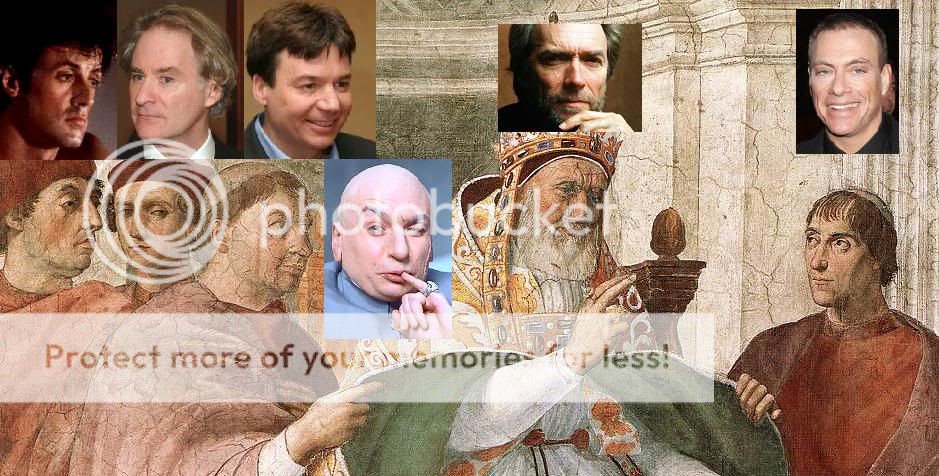
it might the actual King Chares II of Naples in this painting, as it was done in the 15th century (i.e. a century after Charles II of Naples supposely died). But why would a King be portraited as a casual monk?
What do you think?
Here's a very accurate royal/clone (or immortal) matchup...
King of Poland, Mieszko II Lambert.
American actor Al Pacino.
Similar mouth, nose, ear patern (most obvious on the older Pacino) and exact same stare (incredibly accurate on the younger Pacino's picture).
One can wonder if it's a coincidence that most of those former royal family members that have been cloned (or are imortal indeed) are curently operating/ruling the political scene, the entertainment industry (cinema, music, tv) where they can build up a personae/avatar and act as such --in order to cover up their lack of human emotions/reactions/behaviors?
I mean, in politics, there's as much acting and faking/deceiving as there is in the movie/music (see the crucial importance of video clips) industry.
The next one is in the mold of Roman Emperor Augustus/French King Louis XII/Russian President Vladimir Puttin.
Yes, I'm talking about a probable double identification, which will strenghten either the idea of clones farming (lots of samples of the same cloned rulers) or the theory of immortals that you told us about CaptainJB, or even both of them --is being immortal the fact that the body doesn't die or that the soul can switch from one rotting body to a brand new one?
Anjou-Sicily King Charles II of Naples (1254 –1309)
American actor Mike Myers.
Same nose, same smallish chin, and both have the exact same beauty spot.
It's leads to the painting from the vatican that features portraits of several actors among whom you did precisely identify Mike Myers (second from the left), Getsmart.
it might the actual King Chares II of Naples in this painting, as it was done in the 15th century (i.e. a century after Charles II of Naples supposely died). But why would a King be portraited as a casual monk?
What do you think?
edit on 26-5-2012 by A$$Cube because: (no reason given)
edit on 26-5-2012 by A$$Cube because: links
updated
I was looking into the Saxe-Cobourg and Gotha (the Royal Family) family tree, and it's just PACKED with clones. Top down.
So many of them are going to be matched up with celebrities of our lifetimes, so where should I begin? Why not by Belgium?
Belgian King Leopold II
Actor Jim Caviezel
Similar inner ear pattern. Same glacial blue eye stare. Same global face features.
Belgian King Leopold II
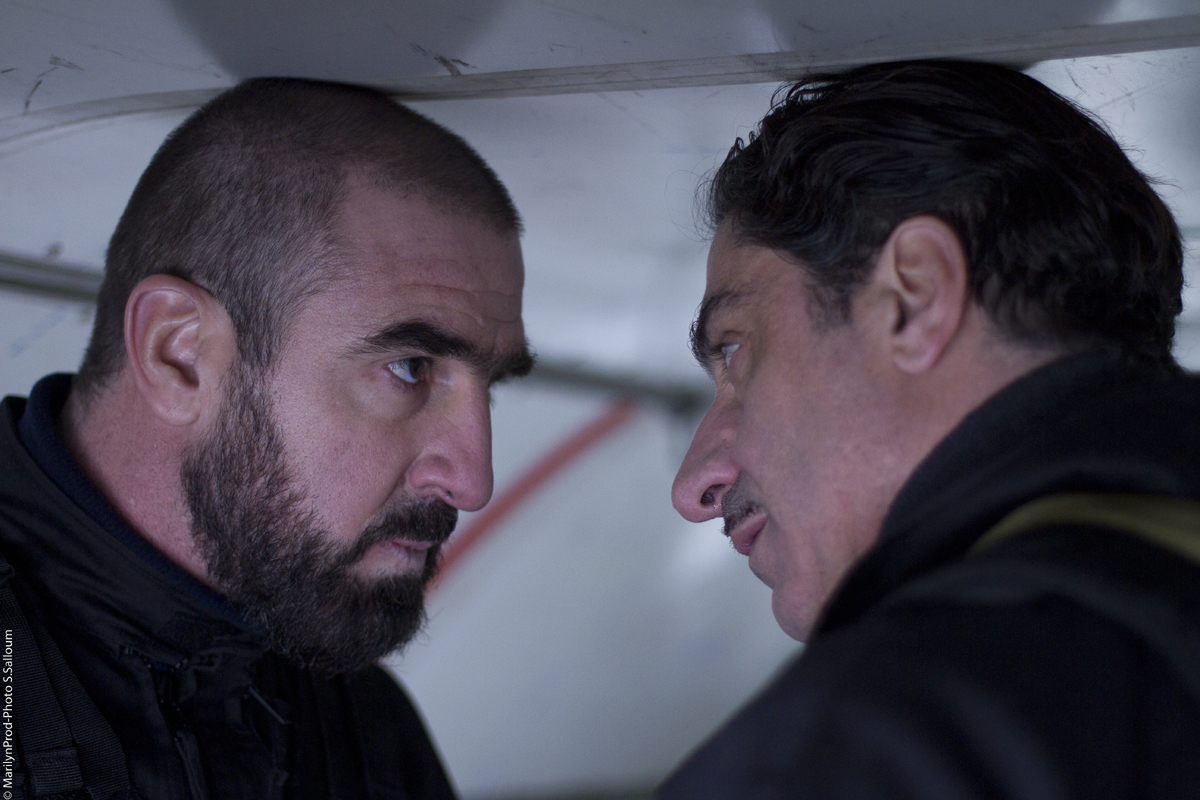
Soccer Legend Eric "Le Roi" (nicknamed The King... hum, was it a hint?) Cantona
Similar inner ear pattern. Same big, triangular, nose. Same arch of the eyebrows. Getsmart, I know you already identified "Le Roi". Do you remember who was he cloned from, other than King Leopold II?
King Manuel II of Portugal
Teen superstar Justin Bieber
Very exact same inner ear pattern, eyes, nose, mouth. Same juvenile face. King Manuel II reigned frome age 19. Approximately the same age than when Justin Bieber reigned on our entertainment industry...
Note that King Manual elder brother was non other than...
Luís Filipe, Prince Royal of Portugal
Who happens to look a lot like...
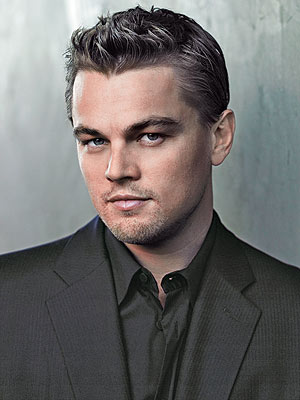
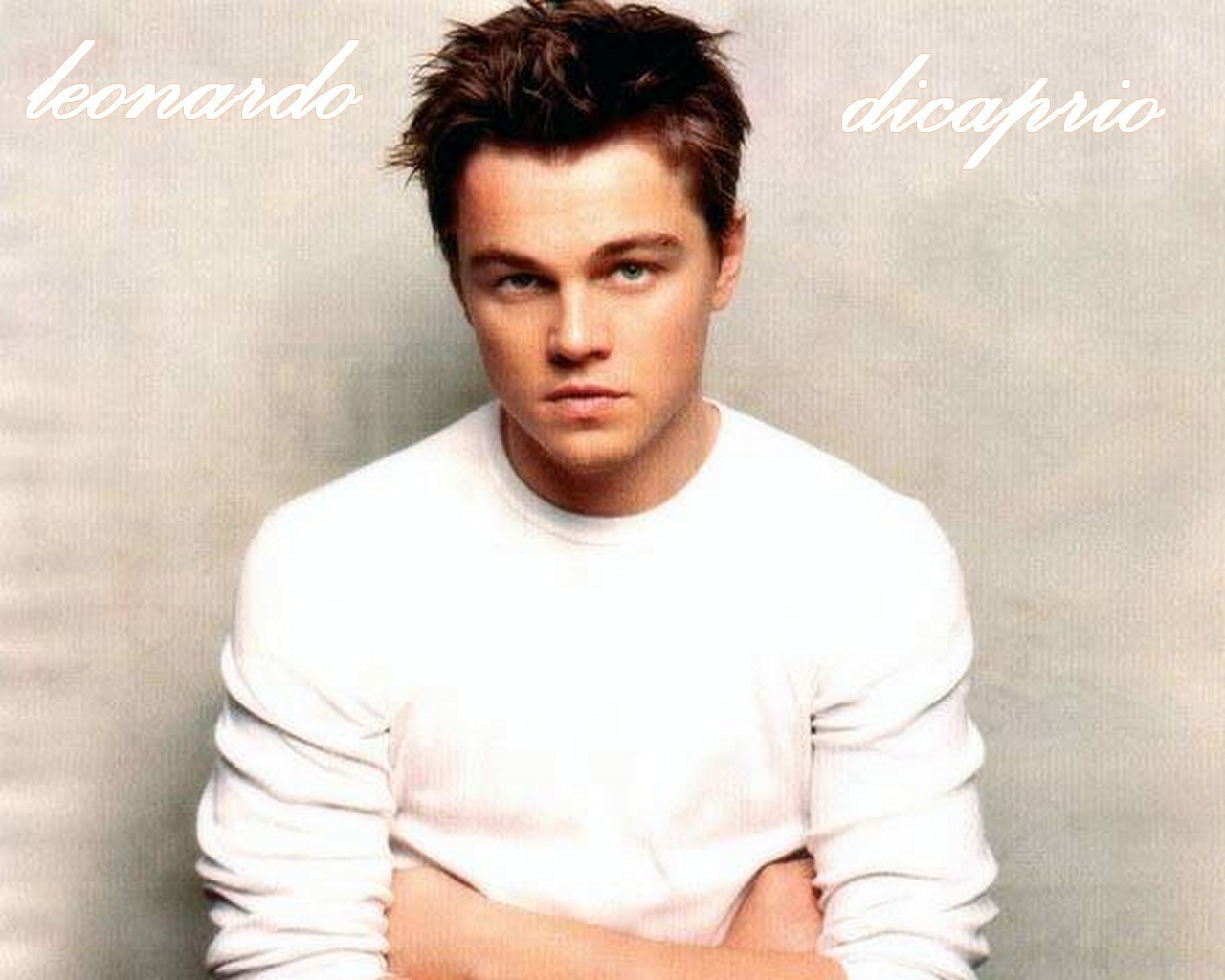
Earlier teen superstar Leonardo Di Caprio
Both share the same inner ear shape. Not the exact same eyes, but the jawline is very similar. Same thing with the nose, forehead, and baby-fat face --the younger Di Caprio, the truer.
So many of them are going to be matched up with celebrities of our lifetimes, so where should I begin? Why not by Belgium?
Belgian King Leopold II
Actor Jim Caviezel
Similar inner ear pattern. Same glacial blue eye stare. Same global face features.
Belgian King Leopold II
Soccer Legend Eric "Le Roi" (nicknamed The King... hum, was it a hint?) Cantona
Similar inner ear pattern. Same big, triangular, nose. Same arch of the eyebrows. Getsmart, I know you already identified "Le Roi". Do you remember who was he cloned from, other than King Leopold II?
King Manuel II of Portugal
Teen superstar Justin Bieber
Very exact same inner ear pattern, eyes, nose, mouth. Same juvenile face. King Manuel II reigned frome age 19. Approximately the same age than when Justin Bieber reigned on our entertainment industry...
Note that King Manual elder brother was non other than...
Luís Filipe, Prince Royal of Portugal
Who happens to look a lot like...
Earlier teen superstar Leonardo Di Caprio
Both share the same inner ear shape. Not the exact same eyes, but the jawline is very similar. Same thing with the nose, forehead, and baby-fat face --the younger Di Caprio, the truer.
My bad. I misinterpreted the picutre of King Manuel's elder brother, whom clone is not Leonardo di Caprio but, another actor who also starred at an
early age "writing" the script and acting in the award-winning movie Good Will Hunting. I'm talking about Ben Affleck.
Luís Filipe, Prince Royal of Portugal
Ben Affleck
Now we're talking. The eyes/look are the same. Prince Luis Filipe and Ben Affleck even share the same beauty spot on their right cheek. Luis Filipe's pics are not that clear and I couldn't find a good representative painting of him. That what misled me to match him up with Leo Di Caprio, but Ben Affleck is definitely his clone.
Luís Filipe, Prince Royal of Portugal
Ben Affleck
Now we're talking. The eyes/look are the same. Prince Luis Filipe and Ben Affleck even share the same beauty spot on their right cheek. Luis Filipe's pics are not that clear and I couldn't find a good representative painting of him. That what misled me to match him up with Leo Di Caprio, but Ben Affleck is definitely his clone.
edit on 29-5-2012 by A$$Cube because: (no reason given)
Fellow ATSers. Look at who we got here.
The Big Catch of the day was cloned from...

King Ferdinando I of Bulgaria
Better known today as (wait for it)...

Serial Killer Anders Behring Breivik
Wow. Different ear lobes but same inner ear. Same eyes. The nose is slightly different but the jawlet, the cheeckbones, the mouth are very much the same.
Edward VIII, Duke of Windsor
And his probable clone...

English actor Jude Law
Exact same profile. Nose is shaped the same. Same inner ears. Same look.
Now, it's time to wonder if there's a connection between Duke of Windsor's link to nazi Germany --see the first pic where he's salluting The Fuhrer of whom he said privately to a friend, Lord Kinross, "I never thought Hitler was such a bad chap"-- and his contemporary clone name : Jude Law (the law of the jews as jude mean "jew" in German). This is another can of worms right here, though, which I'm not willing to cover in this thread --for obvious reasons.
For your personnal knowledge --and liking-- Captain JB, Edward VIII died on 05/28/1972 (buried on 06/05/1972) and Jude Law was (re)born on 12/29/1972. So both theories --clones and immortals-- can be applied here.
Next, another very interesting match-up...
Albert, Prince Consort
And his probable clone...
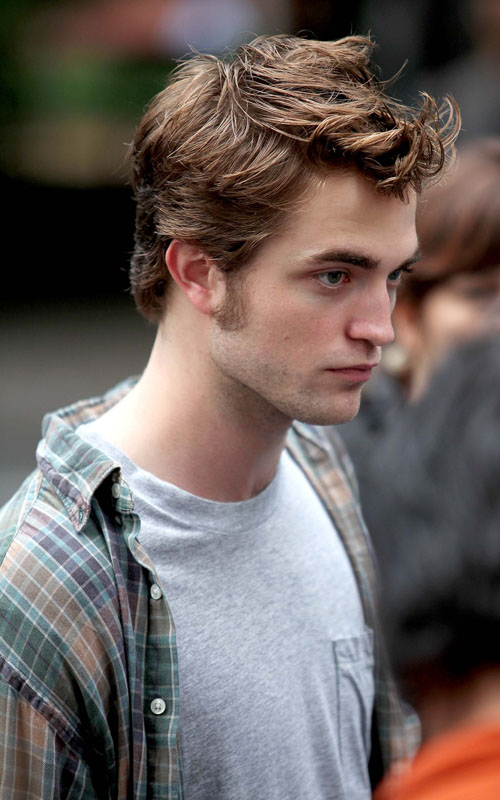
Cannes Film Festival Flavor of the year, actor Robert Pattinson
Pattinson has larger eyebrows, a tid-bit different nose and a more cold-blooded blue-eyed look, whereas Prince looked a little bit bigger --as you we can notice his fuller cheeks on the second painting. But, they have the same (inner) ears, a similar jawline, arch of the eyebrows, and general skin tone.
What's even more mind-boggling, is that Prince Consort's wife...
Queen Vicotria
Who's better known todays as Robert Pattinson's girlfiriend...

Kristen Stewart
Same stare. Same sligthly opened mouth while smiling. Similar ear pattern, even though it's hard to find pictures of Kristen Stewart's ears --as she always had them hidden behind her hair. Queen Victoria was chubbier, but that was a criterion of beauty back then, just like being as thin as possible is today --sadly.
Robert Pattinson and Kristen Stewart met while they were shooting the movie Twilight. A novel-based series about vampires who look 100% human --with just a lighter skin tone-- and have been living alongside casual human beings for ever. Note that in this novel/movie, vampires are ruled by a vampire government which is located in the Vatican. Just sayin.
What are the odds that the Prince Consort-Queen Victoria couple just look like Robert Pattinson and Kristen Stewart's --and vice versa? No way it's a trivial coincidence.
Just like the Gerard Depardieu/Guillaume Depardieu's father & son/son & father duplicated/reversed relationship from the King they once were (cloned from) in the early Middle-Ages and the actors they are/were today (as Guillaume's past away a few years ago).
What do you think?
EDITED -- a few times because some pictures (mainly from Wikipedia) from this post were somehow deleted, and I had to update the links with appropriates pictutes hosted on other websites. Please tell me if some links are dead when you read the last few posts. Thanks.
The Big Catch of the day was cloned from...
King Ferdinando I of Bulgaria
Better known today as (wait for it)...
Serial Killer Anders Behring Breivik
Wow. Different ear lobes but same inner ear. Same eyes. The nose is slightly different but the jawlet, the cheeckbones, the mouth are very much the same.
Edward VIII, Duke of Windsor
And his probable clone...
English actor Jude Law
Exact same profile. Nose is shaped the same. Same inner ears. Same look.
Now, it's time to wonder if there's a connection between Duke of Windsor's link to nazi Germany --see the first pic where he's salluting The Fuhrer of whom he said privately to a friend, Lord Kinross, "I never thought Hitler was such a bad chap"-- and his contemporary clone name : Jude Law (the law of the jews as jude mean "jew" in German). This is another can of worms right here, though, which I'm not willing to cover in this thread --for obvious reasons.
For your personnal knowledge --and liking-- Captain JB, Edward VIII died on 05/28/1972 (buried on 06/05/1972) and Jude Law was (re)born on 12/29/1972. So both theories --clones and immortals-- can be applied here.
Next, another very interesting match-up...
Albert, Prince Consort
And his probable clone...
Cannes Film Festival Flavor of the year, actor Robert Pattinson
Pattinson has larger eyebrows, a tid-bit different nose and a more cold-blooded blue-eyed look, whereas Prince looked a little bit bigger --as you we can notice his fuller cheeks on the second painting. But, they have the same (inner) ears, a similar jawline, arch of the eyebrows, and general skin tone.
What's even more mind-boggling, is that Prince Consort's wife...
Queen Vicotria
Who's better known todays as Robert Pattinson's girlfiriend...
Kristen Stewart
Same stare. Same sligthly opened mouth while smiling. Similar ear pattern, even though it's hard to find pictures of Kristen Stewart's ears --as she always had them hidden behind her hair. Queen Victoria was chubbier, but that was a criterion of beauty back then, just like being as thin as possible is today --sadly.
Robert Pattinson and Kristen Stewart met while they were shooting the movie Twilight. A novel-based series about vampires who look 100% human --with just a lighter skin tone-- and have been living alongside casual human beings for ever. Note that in this novel/movie, vampires are ruled by a vampire government which is located in the Vatican. Just sayin.
What are the odds that the Prince Consort-Queen Victoria couple just look like Robert Pattinson and Kristen Stewart's --and vice versa? No way it's a trivial coincidence.
Just like the Gerard Depardieu/Guillaume Depardieu's father & son/son & father duplicated/reversed relationship from the King they once were (cloned from) in the early Middle-Ages and the actors they are/were today (as Guillaume's past away a few years ago).
What do you think?
EDITED -- a few times because some pictures (mainly from Wikipedia) from this post were somehow deleted, and I had to update the links with appropriates pictutes hosted on other websites. Please tell me if some links are dead when you read the last few posts. Thanks.
edit on
29-5-2012 by A$$Cube because: (no reason given)
edit on 29-5-2012 by A$$Cube because: (no reason given)
After a few days of rest, here are some more examples of cloned royals...
Henri III, King of France and Poland
Actor Keanu Reeves a.k.a. Neo from The Matrix
Same mouth. Same eyes. Same global, facial features. The (inner) ears rougly look the same, too.
Henri III's Grandmother, Claude de France
Actress Carrie-Anne Moss a.k.a. Trinity from The Matrix
Identical, small, clear-eyes (even if Claude's are light-brown in the second painting). Same nose and mouth.
Once again, there's some family ties between cloned royals turned actors who star in the same blockbuster movie (like the royal couple did in the Twilight quadrilogy).
The next one is definitely intriguing.
Turkish Pasha Hayreddin Barbarossa
Russian Dictator Joseph Stallin
Sometime a picture is really worth a thousand words...
Last one for today...
Turkish Pasha Suleiman The Magnificient (might have been ironic)
Journalist, political analyst and TV host Eric Zemmour
Eric Zemmour is best known for being ruthless and having no compassion whatsoever. He's been charged on several counts of open, on TV-racism and racial hatred (saying things like "Most drug dealers are arab or black. It's a fact"). He just does not care. And he always gets a free-pass. No matter what...
I suspect him of being inhabited by a darker, brutal soul, as his emotionless stare --just like Clara Morgan oand Catherine Deneuve's--, and violent behavior could suggest.
Henri III, King of France and Poland
Actor Keanu Reeves a.k.a. Neo from The Matrix
Same mouth. Same eyes. Same global, facial features. The (inner) ears rougly look the same, too.
Henri III's Grandmother, Claude de France
Actress Carrie-Anne Moss a.k.a. Trinity from The Matrix
Identical, small, clear-eyes (even if Claude's are light-brown in the second painting). Same nose and mouth.
Once again, there's some family ties between cloned royals turned actors who star in the same blockbuster movie (like the royal couple did in the Twilight quadrilogy).
The next one is definitely intriguing.
Turkish Pasha Hayreddin Barbarossa
Russian Dictator Joseph Stallin
Sometime a picture is really worth a thousand words...
Last one for today...
Turkish Pasha Suleiman The Magnificient (might have been ironic)
Journalist, political analyst and TV host Eric Zemmour
Eric Zemmour is best known for being ruthless and having no compassion whatsoever. He's been charged on several counts of open, on TV-racism and racial hatred (saying things like "Most drug dealers are arab or black. It's a fact"). He just does not care. And he always gets a free-pass. No matter what...
I suspect him of being inhabited by a darker, brutal soul, as his emotionless stare --just like Clara Morgan oand Catherine Deneuve's--, and violent behavior could suggest.
edit on 8-6-2012 by A$$Cube because: (no reason given)
Hey there, I'm just wondering if anyone thinks Leelee Sobieski is a clone of Helen Hunt? They look ridiculously similar considering they aren't
related.
not clones, but holograms w/ mind-downloads
Immortality by 2045? Russian scientists think it’s possible.
Robert T. Gonzalez
You know this is already going on in black projects. They are just now leaking it to the sheeple.
Immortality by 2045? Russian scientists think it’s possible.
Robert T. Gonzalez
Entrepreneur Dmitry Itskov and a team of Russia's leading scientists want to make humans immortal. They call it the 2045 initiative, and they plan to create a fully functional, holographic human avatar, complete with an artificial brain chock full of your own thoughts, passions, fears, opinions, emotions and memories. Your total conscious — and, presumably, subconscious — being. Their deadline is 2045.
You know this is already going on in black projects. They are just now leaking it to the sheeple.
I caught an Interview a couple years back with George Lucas at the Vatican in which he and someone else who was with him divulged a decent amount of
esoteric information. He went on to say many times in examples he gave that in essence "I know of these things, but your average person knows
nothing of this" They went on to say that the internet was full of esoteric information, in fact there was more esoteric information available to
the average person than any other time in the history of man, and by a long shot and that it certainly wouldn't stay that way. It was that statement
that perked my interest and started my journey. George Lucas is a Mason & someone "In the know" It's interesting that the Death Star has an
uncanny resemblance to Saturn's moon "Mimas" I believe that the Star Wars series is more than science fiction and is in fact revealing many truths
and in part metaphorically is telling our own story. Be it said that one of the episodes is named "The Clone Wars" which may in fact be whats
happening right now here on Earth. As crazy as that may sound after everything that's come to light in recent years perhaps it's not that crazy
after all.
Saturn's Moon Mimas / Death Star
Saturn's Moon Mimas / Death Star
reply to post by percypringle
Hi Percy and thanks for your contributions. Yes, there is a lot which remains sealed behind the closed doors of secrecy guarded by hermetic societies. Also more is being leaked but it is hard to know what. Also, that we're in Clone Wars is obvious to any who investigate. There are probably in addition many "dormant" clones who don't even know what or who they really are? Here is but one example of a fellow who mistakenly thinks that being a Clone is actually having Time Travelled - how else to explain away another copy of yourself living in an earlier time period?
This does go a long way to show that part of the Clone Deception is actually perpetrated by deceiving the Clones into believing they are bona-fide normal human beings. This is helped by dumbing down the human population and enticing regular naturally born humans to live in a zombie like state, drawn to base materialism and acting out their lives in a senseless manner. This helps Clones believe they are normal members of society - enabling deeper penetration.
Cheers,
GS
Hi Percy and thanks for your contributions. Yes, there is a lot which remains sealed behind the closed doors of secrecy guarded by hermetic societies. Also more is being leaked but it is hard to know what. Also, that we're in Clone Wars is obvious to any who investigate. There are probably in addition many "dormant" clones who don't even know what or who they really are? Here is but one example of a fellow who mistakenly thinks that being a Clone is actually having Time Travelled - how else to explain away another copy of yourself living in an earlier time period?
This does go a long way to show that part of the Clone Deception is actually perpetrated by deceiving the Clones into believing they are bona-fide normal human beings. This is helped by dumbing down the human population and enticing regular naturally born humans to live in a zombie like state, drawn to base materialism and acting out their lives in a senseless manner. This helps Clones believe they are normal members of society - enabling deeper penetration.
Cheers,
GS
Originally posted by percypringle
I caught an Interview a couple years back with George Lucas at the Vatican in which he and someone else who was with him divulged a decent amount of esoteric information.
Cathy [O'Brien] says in her book [Trance Formation of America] that George Lucas, the producer of Star Wars, is an operative with NASA and the National Security Agency (NSA), which is the parent or governing body of the CIA.
Reptilian Bloodlines
hardtruth.navhost.com...
"Reptilianss gave story to George Lucas - planted, “Star Wars,” not made up, myth is reality, we’ve been lied to, manipulated"
The Terra Papers - Hidden History of Planet Earth 10
www.youtube.com...
reply to post by percypringle
If you think Mimas seems like the Death Star could have been modeled on it, you should check out Iapetus, another one of Saturn's moons. There are many strange anomalies on that one. For instance there is a huge ridge that runs along it, no one can explain it. It's got some strange differently colored debris or something across a large portion of it. If I remember correctly, it has some other strange qualities. This adds to your ideas too.
en.wikipedia.org... www.checktheevidence.co.uk... www.enterprisemission.com...
If you think Mimas seems like the Death Star could have been modeled on it, you should check out Iapetus, another one of Saturn's moons. There are many strange anomalies on that one. For instance there is a huge ridge that runs along it, no one can explain it. It's got some strange differently colored debris or something across a large portion of it. If I remember correctly, it has some other strange qualities. This adds to your ideas too.
en.wikipedia.org... www.checktheevidence.co.uk... www.enterprisemission.com...
edit on 17-10-2012 by Ellie Sagan because: link fail
Hi A$$Cube,
Thanks again for your sleuthing which has contributed a lot to this thread. I noted some very unsettling similarities among your candidates as CLONED Celebrities.
What emerges is that there is a very distinct repeat pattern of Cloning members of ROYAL FAMILIES. The mounting evidence of this fact is showing a statistical frequency which defies all odds of coincidental resemblances. They are indeed of quasi identical GENETIC HERITAGE. What this signifies for us and the world however remains unsolved.
It could be, as I assumed earlier, that a human group has mastered human cloning technology using science kept hidden from us and either inherited from ancient lost human civilizations, or even discovered in artifacts of an alien civilization which had visited our planet and left vestiges. It is also possible that ALIENS might be behind the cloning of HUMANOID DRONES based on CLONED individuals who inadvertently are controlled to do the bidding of their ALIEN MASTERS. Further in this logic, it could also be that even the ROYALS upon whom today's clones are allegedly based, might themselves be simply earlier ALIEN AGENTS who were genetically engineered and implanted to further the agenda of another species seeking to FARM HUMANS.
If we acknowledge that the person implicated in the mass killings in Finland is a Clone, then we can wonder why a presumably remote-controlled Clone might be used to perpetrate such senseless mayhem - could it be a message to opponents that they have CLONES EVERYWHERE, with many in positions of power, and that they are ready at the drop of a hat to TRIGGER THEM and make them undertake the most horrendous acts of wanton violence and destruction should the opposition persist? This makes the issue of CLONES USED IN PSY OPS, such as was the case in the GIFFORDS KILLINGS, subject to a very different analysis.
Who is making and controlling all these clones?!?
Getsmart
Thanks again for your sleuthing which has contributed a lot to this thread. I noted some very unsettling similarities among your candidates as CLONED Celebrities.
What emerges is that there is a very distinct repeat pattern of Cloning members of ROYAL FAMILIES. The mounting evidence of this fact is showing a statistical frequency which defies all odds of coincidental resemblances. They are indeed of quasi identical GENETIC HERITAGE. What this signifies for us and the world however remains unsolved.
It could be, as I assumed earlier, that a human group has mastered human cloning technology using science kept hidden from us and either inherited from ancient lost human civilizations, or even discovered in artifacts of an alien civilization which had visited our planet and left vestiges. It is also possible that ALIENS might be behind the cloning of HUMANOID DRONES based on CLONED individuals who inadvertently are controlled to do the bidding of their ALIEN MASTERS. Further in this logic, it could also be that even the ROYALS upon whom today's clones are allegedly based, might themselves be simply earlier ALIEN AGENTS who were genetically engineered and implanted to further the agenda of another species seeking to FARM HUMANS.
If we acknowledge that the person implicated in the mass killings in Finland is a Clone, then we can wonder why a presumably remote-controlled Clone might be used to perpetrate such senseless mayhem - could it be a message to opponents that they have CLONES EVERYWHERE, with many in positions of power, and that they are ready at the drop of a hat to TRIGGER THEM and make them undertake the most horrendous acts of wanton violence and destruction should the opposition persist? This makes the issue of CLONES USED IN PSY OPS, such as was the case in the GIFFORDS KILLINGS, subject to a very different analysis.
Who is making and controlling all these clones?!?
Getsmart
It helped to post here yesterday, because right afterwards I watched a movie starring Kirk Douglas and George C. Scott. I somehow sensed that there
was a reason that these two actors were often paired and thought there might have been a Secret Reason, that they may have been Cloned from
Scandinavian Royal Bloodlines. So I took a brief glance and found this about George C. Scott...
King Gustave II Adolphe of Sweden
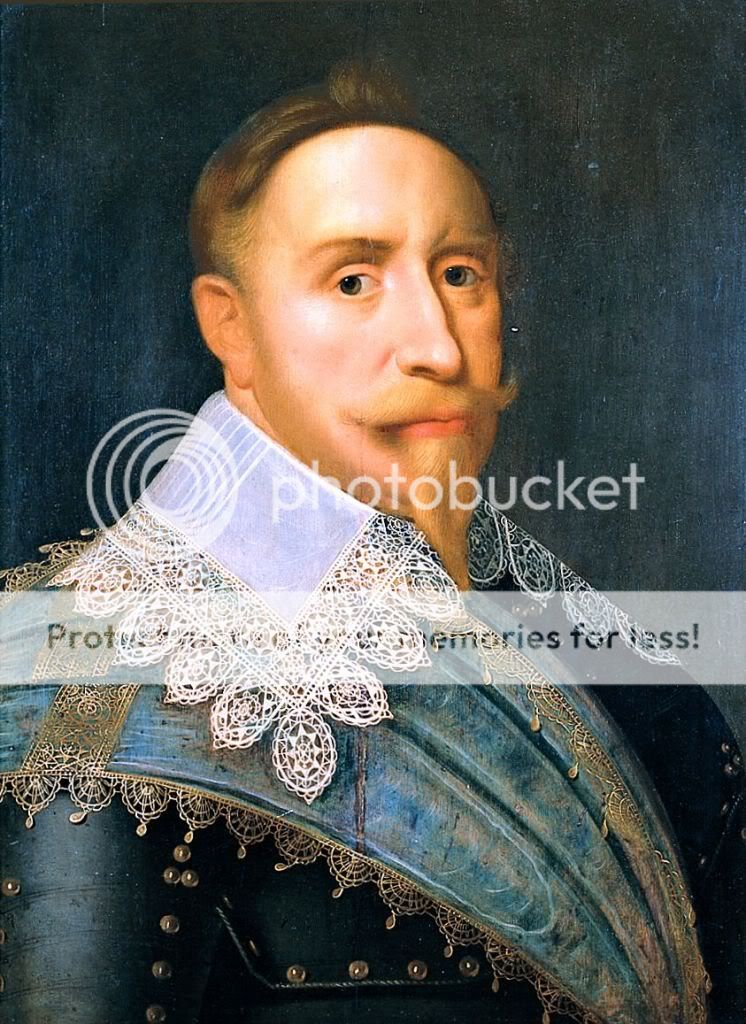
If you are wondering, here is a photo showing the inner ear pattern of George C. Scott, which of course looks less similar because he no longer is wearing a beard. It is identical to the inner ear pattern of King Gustave II.
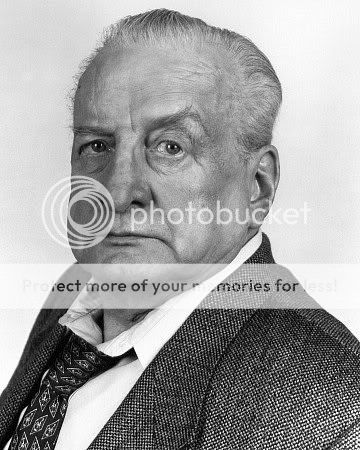
Gustave II was the father of Queen Christina of Sweden, and he met an untimely death during the 30 Year War at the Battle of . One of the victors of that battle, was none other than Gottfried Heinrich von Pappenheim who bears a strange resemblance to Kirk Douglas.
Gottfried Heinrich von Pappenheim
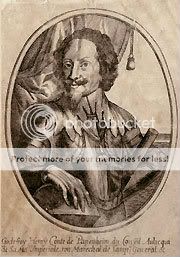
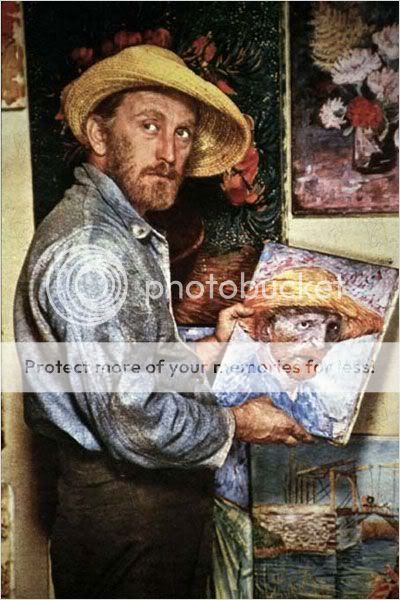
Interestingly, the son from the first marriage of Holy Roman Empire Field-marshal Gottried Heinrich von Pappenheim looks a lot like Michael Douglas.
Wolfgang Adam von Pappenheim

For those who don't know, Michael Douglas is Kirk Douglas' son whereas Wolfgang Pappenheim is Gottfried Pappenheim's son.I think that there is something to pitting former enemies as rivals in film roles trying to make movies mimic reality. This also brings water to the mill of those who believe that there is a reincarnation of souls into another time where friends are regrouped to play out their karma again. Yet this doesn't explain the strange frequency with which former Royals are reincarnated as movie actors and celebrities. There is strictly no valid logic to that, given that if we are to reincarnate to learn, there is no reason why only Royals will reincarnate and why they happen to return as stars?
Getsmart
King Gustave II Adolphe of Sweden
If you are wondering, here is a photo showing the inner ear pattern of George C. Scott, which of course looks less similar because he no longer is wearing a beard. It is identical to the inner ear pattern of King Gustave II.
Gustave II was the father of Queen Christina of Sweden, and he met an untimely death during the 30 Year War at the Battle of . One of the victors of that battle, was none other than Gottfried Heinrich von Pappenheim who bears a strange resemblance to Kirk Douglas.
Gottfried Heinrich von Pappenheim
Interestingly, the son from the first marriage of Holy Roman Empire Field-marshal Gottried Heinrich von Pappenheim looks a lot like Michael Douglas.
Wolfgang Adam von Pappenheim
For those who don't know, Michael Douglas is Kirk Douglas' son whereas Wolfgang Pappenheim is Gottfried Pappenheim's son.I think that there is something to pitting former enemies as rivals in film roles trying to make movies mimic reality. This also brings water to the mill of those who believe that there is a reincarnation of souls into another time where friends are regrouped to play out their karma again. Yet this doesn't explain the strange frequency with which former Royals are reincarnated as movie actors and celebrities. There is strictly no valid logic to that, given that if we are to reincarnate to learn, there is no reason why only Royals will reincarnate and why they happen to return as stars?
Getsmart
Interestingly enough there are a number of aspects of this set of Clones which call attention to the Battle of Breitenfield which was a historical
event insofar as it was the first time Protestants were unified against Catholics. On the Catholic side we note the presence of Field Marshall von
Pappenheim Cloned as Kirk Douglas, on the Protestant side King Gustavus Adolphus of Sweden Cloned as George C. Scott, yet there is another relevant
party to that battle we have not yet mentioned.
Battle of Breitenfield
One of the protagonists on the Catholic side was Johann Tserclaes, Count of Tilly, who commanded the forces of the League. He was defeated by King Gustavus Adolphus yet a bronze bust of him can be seen in Munich.
Robert Mitchum and Johann Tserclaes Count of Tilly

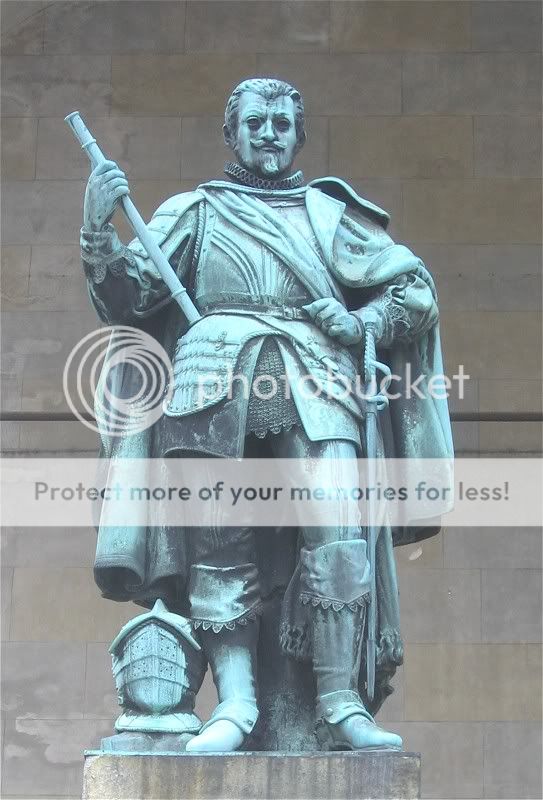
We can note that 4 contemporary individuals from the 17th century have been quasi identically replicated in 4 contemporary individuals in the mid-twentieth century. Is this a trick of fate, is our planet a playground for alien tinkering downloading souls into selectively prepared bodies, or are we indeed witnessing a CLONE CONSPIRACY?
Here is another separate instance of what looks very much to be the Cloning from a ruling King and even Emperor, Seuthes III of Thrace, leading to British actor Oliver Reed.
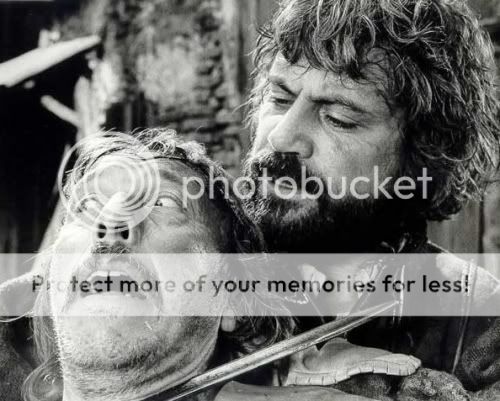
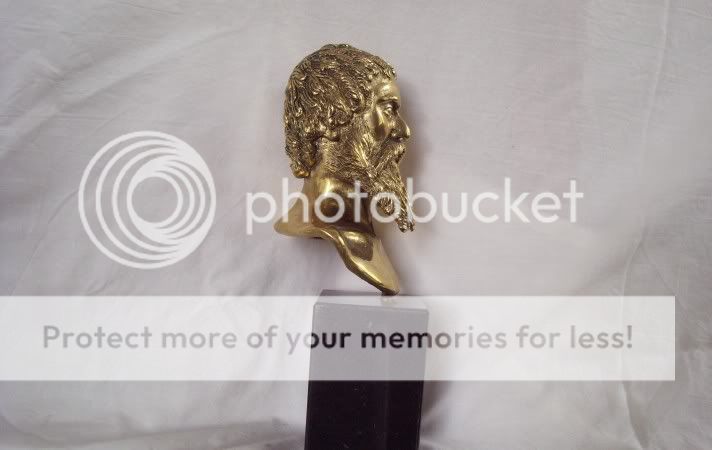
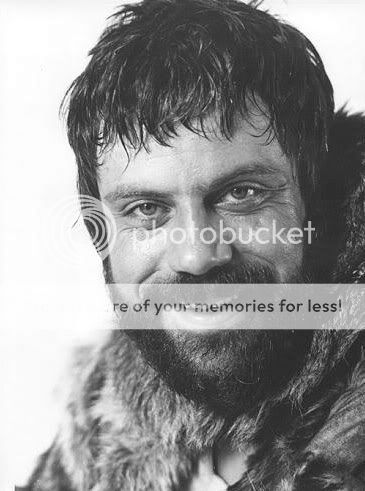
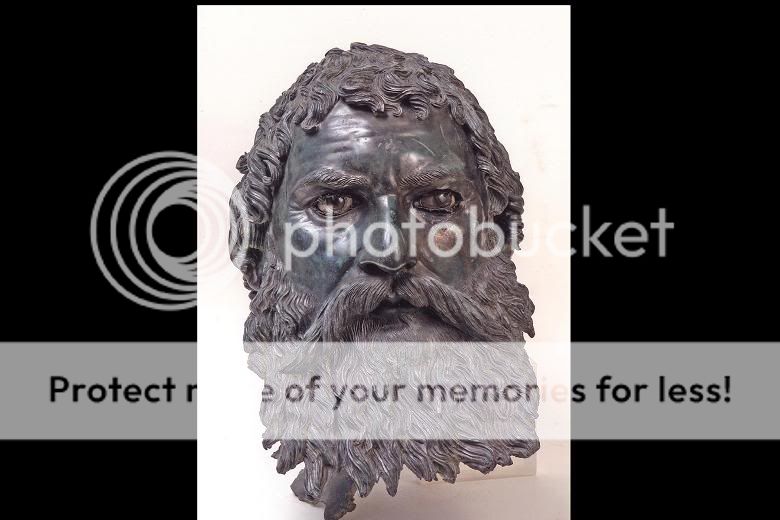
I have not investigated other historical protagonists from the entourage of Seuthes III to determine if there are other Clones of historical royal figures replicated in the entourage of Oliver Reed and manifesting as other actors in the same movies. Given the evidence from other Celebrity Clones there is a good chance some might be found.
Getsmart
Battle of Breitenfield
One of the protagonists on the Catholic side was Johann Tserclaes, Count of Tilly, who commanded the forces of the League. He was defeated by King Gustavus Adolphus yet a bronze bust of him can be seen in Munich.
Robert Mitchum and Johann Tserclaes Count of Tilly
We can note that 4 contemporary individuals from the 17th century have been quasi identically replicated in 4 contemporary individuals in the mid-twentieth century. Is this a trick of fate, is our planet a playground for alien tinkering downloading souls into selectively prepared bodies, or are we indeed witnessing a CLONE CONSPIRACY?
Here is another separate instance of what looks very much to be the Cloning from a ruling King and even Emperor, Seuthes III of Thrace, leading to British actor Oliver Reed.
I have not investigated other historical protagonists from the entourage of Seuthes III to determine if there are other Clones of historical royal figures replicated in the entourage of Oliver Reed and manifesting as other actors in the same movies. Given the evidence from other Celebrity Clones there is a good chance some might be found.
Getsmart
new topics
-
A Warning to America: 25 Ways the US is Being Destroyed
New World Order: 1 hours ago -
America's Greatest Ally
General Chit Chat: 2 hours ago -
President BIDEN's FBI Raided Donald Trump's Florida Home for OBAMA-NORTH KOREA Documents.
Political Conspiracies: 7 hours ago -
Maestro Benedetto
Literature: 8 hours ago -
Is AI Better Than the Hollywood Elite?
Movies: 8 hours ago
top topics
-
President BIDEN's FBI Raided Donald Trump's Florida Home for OBAMA-NORTH KOREA Documents.
Political Conspiracies: 7 hours ago, 27 flags -
Weinstein's conviction overturned
Mainstream News: 16 hours ago, 8 flags -
Gaza Terrorists Attack US Humanitarian Pier During Construction
Middle East Issues: 13 hours ago, 8 flags -
Massachusetts Drag Queen Leads Young Kids in Free Palestine Chant
Social Issues and Civil Unrest: 15 hours ago, 7 flags -
Las Vegas UFO Spotting Teen Traumatized by Demon Creature in Backyard
Aliens and UFOs: 12 hours ago, 6 flags -
Meadows, Giuliani Among 11 Indicted in Arizona in Latest 2020 Election Subversion Case
Mainstream News: 15 hours ago, 5 flags -
2024 Pigeon Forge Rod Run - On the Strip (Video made for you)
Automotive Discussion: 13 hours ago, 4 flags -
Is AI Better Than the Hollywood Elite?
Movies: 8 hours ago, 3 flags -
A Warning to America: 25 Ways the US is Being Destroyed
New World Order: 1 hours ago, 3 flags -
Maestro Benedetto
Literature: 8 hours ago, 1 flags
active topics
-
Russia Ukraine Update Thread - part 3
World War Three • 5732 • : F2d5thCavv2 -
The Acronym Game .. Pt.3
General Chit Chat • 7751 • : F2d5thCavv2 -
Salvador Dali's Moustaches
People • 28 • : zosimov -
Is AI Better Than the Hollywood Elite?
Movies • 17 • : ThePsycheaux -
The best Rice dish i've ever tasted... Kimchi Rice
Food and Cooking • 26 • : lamhaocc -
A Warning to America: 25 Ways the US is Being Destroyed
New World Order • 1 • : 727Sky -
Massachusetts Drag Queen Leads Young Kids in Free Palestine Chant
Social Issues and Civil Unrest • 15 • : tarantulabite1 -
America's Greatest Ally
General Chit Chat • 1 • : BingoMcGoof -
How ageing is" immune deficiency"
Medical Issues & Conspiracies • 35 • : annonentity -
HORRIBLE !! Russian Soldier Drinking Own Urine To Survive In Battle
World War Three • 49 • : Freeborn