It looks like you're using an Ad Blocker.
Please white-list or disable AboveTopSecret.com in your ad-blocking tool.
Thank you.
Some features of ATS will be disabled while you continue to use an ad-blocker.

The Sun Is Much Smaller And A Lot Closer Than We Are Misled To Believe
page: 3share:
I dont think the moon really cares how big or small,or how far away the sun actually is,but i sure do
Please clarify.
and we are able to see with our eyes the light from a few hundred stars reaching us all the time and so why are we not able to see the light from the millions and billions of stars reaching us that supposedly are out there?
So you haven't been in the middle of a desert before, have you? You can literally see thousands of stars when you are far enough away from civilization's light polluted cities. And that's just in your little area of the sky relative to your position. You can see thousands in the sky all around the world.
And simply put to answer your question, light spreads out the farther it travels making it less visible to our eyes over such long distances. That's why it's possible to see many many more through a good telescope...
Hell, the light from billions more stars hasn't even traveled long enough to reach us yet!
Try this experiment with a flashlight. Stand 1 foot away from a wall and point a flashlight at it. Notice the light is in a small concentrated spot? Now go take the flashlight and point it across a field or something. By your logic, that light should stay tightly concentrated and that flashlight should be able to brightly light anything in front of you no matter the distance.
Use your brain. It's painless I promise.
edit on 7-1-12 by paradox because: (no reason given)
Originally posted by blocula
Surely the night sky should be lit up and aglow more or less like daytime,should it not?
No, it shouldn't...that's why the sun is our nearest star and the rest are not....
I know, it's amazing to actually understand our bright hot sun is only one of those pathetic little specks among billions in the sky.
edit on
7-1-12 by paradox because: (no reason given)
Oh boy, well, its not what people think at all. I do look into it, though harder currently with all the cold weather and rain here, now my eyes are
blinking and its suddenly glaring. But, I sungaze. And do so safely and follow rules.
Now, this whole universe is an interactive holographic experience. The sun is personal, it responds to you on a personal level, it is bigger or smaller depending on what your awareness is, and it interacts with you, your guides speak to you through it, you came through it.
I have some photos, like to take pics of the sun. Even in photos the energy is live, its real, it codes you. No medium makes it impotent.
It heals. Its the mom of the system. Its a crystal mirror. Beyond it is heaven and home.
The infared lense on some of these shows it interacting.
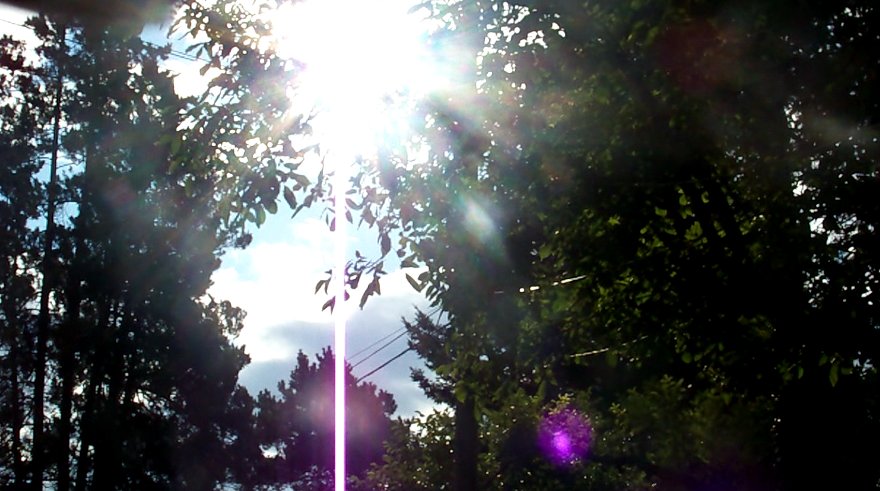
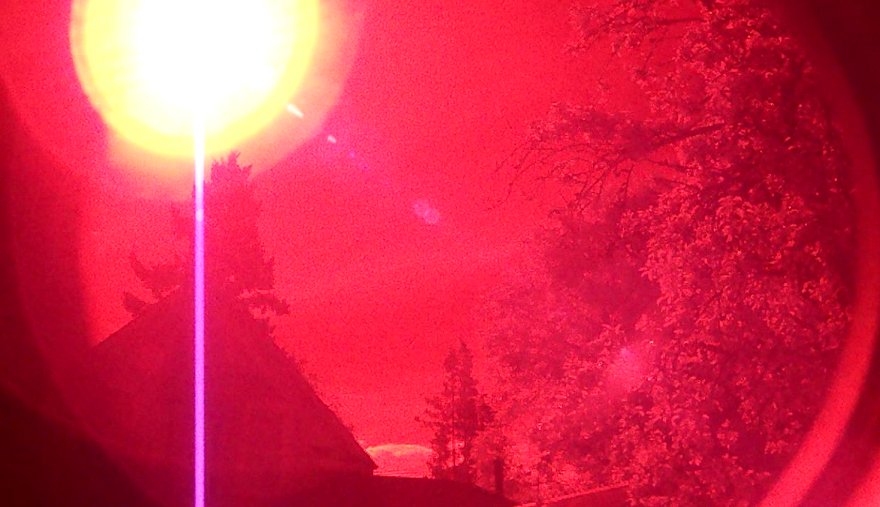
pretty big to me!
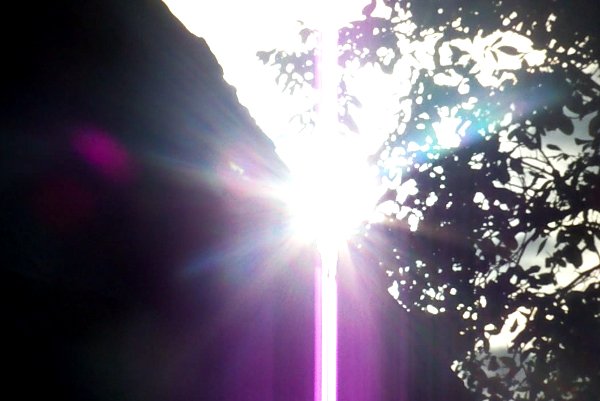
Its never small, is always streaming real colors and its crystalline, the hexagram shapes are like the calcite shaped crystals in your pineal!!!!!
The Light is Love Shine, from Family!
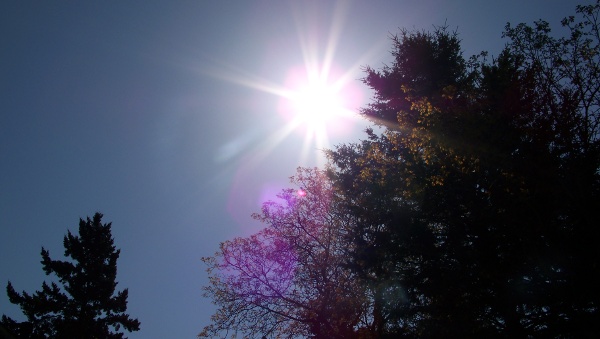
crystal!
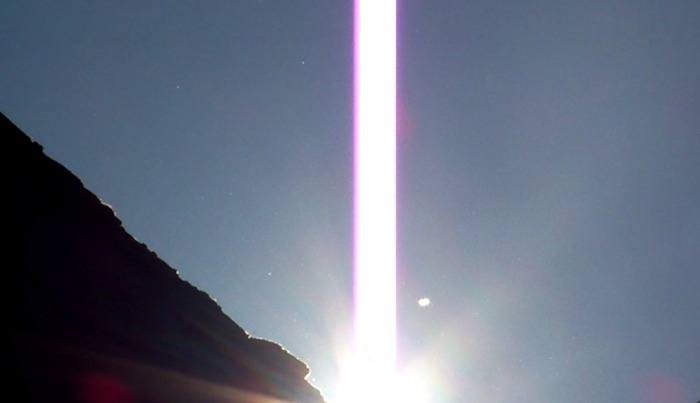
Ray! We're all Rays!
Now, this whole universe is an interactive holographic experience. The sun is personal, it responds to you on a personal level, it is bigger or smaller depending on what your awareness is, and it interacts with you, your guides speak to you through it, you came through it.
I have some photos, like to take pics of the sun. Even in photos the energy is live, its real, it codes you. No medium makes it impotent.
It heals. Its the mom of the system. Its a crystal mirror. Beyond it is heaven and home.
The infared lense on some of these shows it interacting.
pretty big to me!
Its never small, is always streaming real colors and its crystalline, the hexagram shapes are like the calcite shaped crystals in your pineal!!!!!
The Light is Love Shine, from Family!
crystal!
Ray! We're all Rays!
edit on 1-7-2012 by Unity_99 because: (no reason given)
Just remember what forum your in guys.
This forum is dedicated to the all-important highly speculative topics that may not be substantiated by many, if any facts and span the spectrum of topics discussed on ATS. Readers and users should be aware that extreme theories without corroboration are embraced in this forum. Discussion topics and follow-up responses in this forum will likely tend to lean in favor of conspiracies, scandals, and cover-ups. Members who would seek to refute such theories should be mindful of AboveTopSecret.com's tradition of focusing on conspiracy theory, cover-ups, and scandals.
[/quo
Embraced in this forum!
reply to post by blocula
LOL, now this is what I like to call far fetched You should white a book/novel/movie script about it, mate. Atlhough we need to keep our mind open to any possibility, either...... LOL
How old are you, OP, thirteen?
LOL, now this is what I like to call far fetched You should white a book/novel/movie script about it, mate. Atlhough we need to keep our mind open to any possibility, either...... LOL
How old are you, OP, thirteen?
edit on 1-7-2012 by coyote66 because: (no reason given)
Sometimes views need to be expressed with a "Little" bit of evidence supporting the fact...
Ok one easy thing to do I guess where to go up in an airplane into the skies facing it on a sunny day and measure just how much bigger the sun
appears off the ground than on it. That change versus the distance you've travelled towards it might give you some indication of how far it is and
just how big?
Then do the same from the point of view of fish in an aquarium with an artificial point light source. Test the theory with different size light sources ...If you can calculate the distance correctly in the aquarium experiment then I think it is safe to say we can do the same with the sun.
Not a mathematician and way too tired to go find the formula but I'm sure you'll work it out.
Just thoughts...
Then do the same from the point of view of fish in an aquarium with an artificial point light source. Test the theory with different size light sources ...If you can calculate the distance correctly in the aquarium experiment then I think it is safe to say we can do the same with the sun.
Not a mathematician and way too tired to go find the formula but I'm sure you'll work it out.
Just thoughts...
Originally posted by blocula
reply to post by paradox
I dont think the moon really cares how big or small,or how far away the sun actually is,but i sure do...
We are able to see with our eyes the light from a few hundred stars reaching us all the time and so why are we not able to see the light from the millions and billions of stars reaching us that supposedly are out there?
Surely the night sky should be lit up and aglow more or less like daytime,should it not?
edit on 1-7-2012 by blocula because: (no reason given)
Astronomy For Dummies
www.amazon.com...
Please, I'll even buy it for you if you'll read it.
Maybe it would put an end to some of this....well, I don't know whether to call this one ignorance, nonsense.or both.
If you truly don't understand why the night sky isn't lit up, then you need to do some serious studying.
Originally posted by blocula
Go outside on a clear day and try looking at the sun,its so blindingly bright we cant even look at it with our eyes and theres just no way that i'm going to believe its really 865,000 miles across and 93,000,000 miles away...
The Sun is big, really, really big. Almost all of the matter that makes up our solar system is contained within the Sun, that's why it can keep things that are so far away in its orbit and the reason it shines so amazingly brightly is because all of that matter is burning, and not burning like coal, burning like a nuclear explosion...in fact, I shouldn't say "like" a nuclear explosion, because that's what the Sun is, a gigantic nuclear explosion that has been exploding for almost 5 billion straight years and is due to keep exploding for another 5 billion more.
I know, it's hard to fathom primal forces so vast and so powerful, but that's what is going on.
If the suns gravity keeps the earth in orbit,whats holding the sun within its orbit?
In orbit around the rest of the Milky Way Galaxy? Well, the gravity of the rest of the galaxy, of course. There's between 200 billion and 400 billion stars in the Milky Way, and lot more dark matter besides that. The combined effects of the gravity of all these stars and the dark matter keep the whole thing together.
Why do we only see a few hundred stars at night? why isnt the night sky filled with millions of stars? why isnt the sky at night aglow like day?
Have you ever been out at night in the countryside where there's no light pollution? You will see many thousands of stars at night, not just a few hundred. We can see only those stars that are close enough and bright enough that their light doesn't become too dim by the time it reaches Earth. With more sensitive tools, very powerful telescopes, we can see many more stars than our human eyes are capable of.
Maybe it's hard for you to conceive of these sizes and distances, which isn't surprising because they are all on scales that are pretty far beyond what our brains were designed to comprehend. Our brain and sensory organs evolved to help us survive in the middle-scale environment of hunting, gathering and keeping alive in the African wilderness. At that scale the largest distances we need to fathom are measured in the tens of miles, or maybe hundreds for a nomadic culture. The biggest single thing we'd ever see that is close enough for us to really comprehend its size is a big mountain, valley or plain. A glorious vista on Earth is the biggest view we'd ever need to see and understand, so to our brains that's about as big as we can really imagine. Everything beyond that is a bit hard for us to make sense of. Yes, we all can see the moon most every night, a whole other world -- a pretty big one, nearly as big as Mercury, actually -- but our moon is far enough away that it looks pretty small, so until we really understood what it was we didn't have to comprehend it at those scales.
Originally posted by blocula
Why do we only see a few hundred stars at night? why isnt the night sky filled with millions of stars?
It is, go outside and have a look (away from artificial lights). It is very obvious you have never been outside and actually looked at the sky!
edit on 1-7-2012 by spoor because: (no reason given)
Ok, you state the sun is much smaller and a lot closer.
Let's for the sake of discussion assume that you're correct in your belief ... then I'm sure you will be able to specify EXACTLY the size of the sun and it's EXACT distance from earth. Also name your sources.
If you're going to make up these sort of threads, then at least have the "cahunas" to back up your claims with hard data.
Edit: Just occurred to me that using your "logic", we could just as readily state that the sun is much BIGGER and much FURTHER away.
Let's for the sake of discussion assume that you're correct in your belief ... then I'm sure you will be able to specify EXACTLY the size of the sun and it's EXACT distance from earth. Also name your sources.
If you're going to make up these sort of threads, then at least have the "cahunas" to back up your claims with hard data.
Edit: Just occurred to me that using your "logic", we could just as readily state that the sun is much BIGGER and much FURTHER away.
edit on
1/7/12 by tauristercus because: (no reason given)
reply to post by blocula
Oh for f*** sake. Seriously, do you not know a single thing about astronamy......... The sun orbits the blackhole at the center of the milky way and you can only see a few stars because of light polution, if you went somewere with zero artificial light then the nights sky would be filled with stars...
seriously if you have any more stupid questions try dooing a google search before bringing that weak sh** here
Lets say you beleive what your saying and your not just trolling, how would you explain the fact that we have left earths atmosphere and have explored space
Oh for f*** sake. Seriously, do you not know a single thing about astronamy......... The sun orbits the blackhole at the center of the milky way and you can only see a few stars because of light polution, if you went somewere with zero artificial light then the nights sky would be filled with stars...
seriously if you have any more stupid questions try dooing a google search before bringing that weak sh** here
Lets say you beleive what your saying and your not just trolling, how would you explain the fact that we have left earths atmosphere and have explored space
reply to post by blocula
The black hole at the centre of our galaxy
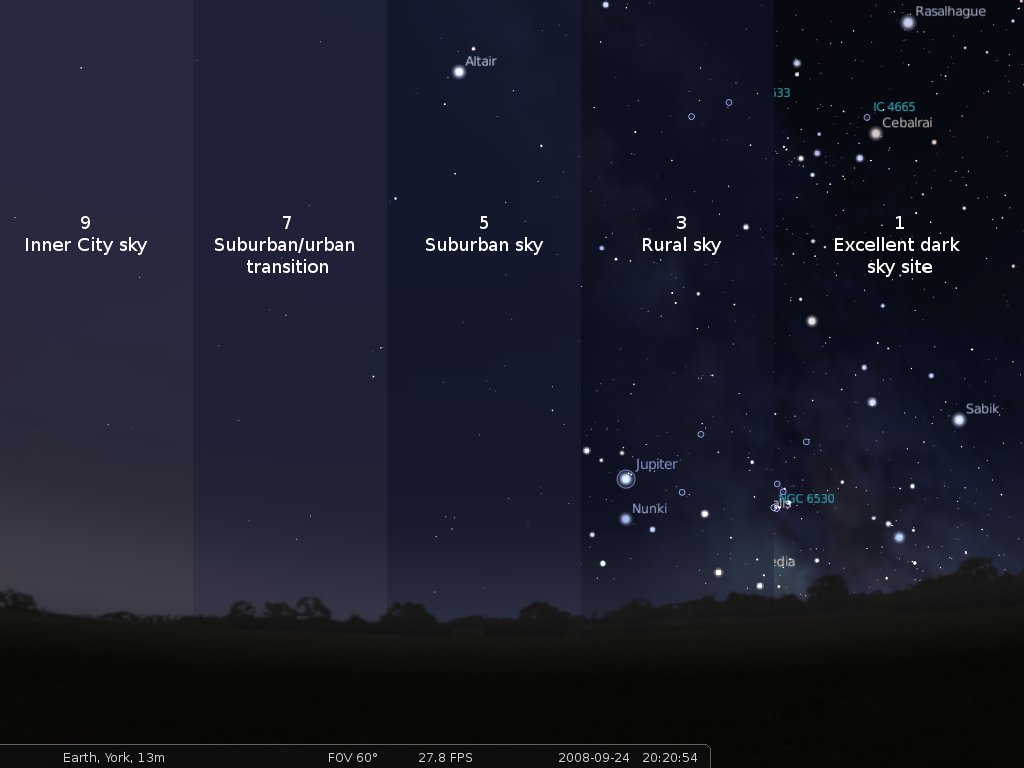
Light pollution. Look towards the sky from some farmlands or some deserted island at night and you would see something more like this:
because the light intensity of the stars ain't enough to exite our atmosphere in such a way that it starts "glowing" blue.
Now, if you distrust EVERYTHING other people tell you, i wish you good luck in EVER finding the truth. But seeing you ask these questions makes me seriously concider if you actually had any schooling.
If the suns gravity keeps the earth in orbit,whats holding the sun within its orbit?
The black hole at the centre of our galaxy
Why do we only see a few hundred stars at night? why isnt the night sky filled with millions of stars?
Light pollution. Look towards the sky from some farmlands or some deserted island at night and you would see something more like this:
why isnt the sky at night aglow like day?
because the light intensity of the stars ain't enough to exite our atmosphere in such a way that it starts "glowing" blue.
Now, if you distrust EVERYTHING other people tell you, i wish you good luck in EVER finding the truth. But seeing you ask these questions makes me seriously concider if you actually had any schooling.
reply to post by blocula
I agree. It's the people who claim that humans were not capable of going to the Moon as early as the 1960s.
Something,or someone,wants humanity to feel helplessly trapped and hopelessly small
I agree. It's the people who claim that humans were not capable of going to the Moon as early as the 1960s.
Originally posted by blocula
Why do we only see a few hundred stars at night? why isnt the night sky filled with millions of stars? why isnt the sky at night aglow like day?
You must be in the city. Light and smog has a huge affect.
Here, if you go out bush on a clear night, there are tens of thousands at the least. Look through night vision, and you certainly get them in the millions.
reply to post by blocula
Pollution and artificial light cut down on very good viewing. Get to a remote area in the mountains and your view will be much better.
Why do we only see a few hundred stars at night? why isnt the night sky filled with millions of stars? why isnt the sky at night aglow like day?
Pollution and artificial light cut down on very good viewing. Get to a remote area in the mountains and your view will be much better.
Originally posted by Doodle19815
Wait, what are all the satellites seeing then? Where is manhater and all of her videos from SOHO?edit on 30-6-2012 by Doodle19815 because: (no reason given)
Helioviewer is down, you're going to wait until the power gets turned back on.
edit on 1-7-2012 by Manhater because: (no reason
given)
The thing is, Until someone is out side of this box we call our solar system and observing from the outside we truly will never know, We will continue
to understand and learn all we can from our prospective. That is the best we can do.
And if we are a farm so to speak and peeps are hung up on well there is to many stars and or we have satellites etc how hard would it be for a farmer to keep this illusion up..?
Now do i believe the op.... na doubt it, but we will never know. keep on living the best we can and that is we can ever do.
Oh op, what time is harvest time btw,
And if we are a farm so to speak and peeps are hung up on well there is to many stars and or we have satellites etc how hard would it be for a farmer to keep this illusion up..?
Now do i believe the op.... na doubt it, but we will never know. keep on living the best we can and that is we can ever do.
Oh op, what time is harvest time btw,
Originally posted by blocula
Because it might be true and am i getting too close to the truth? maybe "blocula" will become its own forum someday,like skunk works,a place for wild and fantastic,more or less humanly unprovable theories that might possibly be true and the fact that this threads off the wall headline just may be the truth,is why it shouldnt be ignored and denied...
Originally posted by sputniksteve
Originally posted by blocula
reply to post by tamusan
Is the human mind really able to accurately comprehend and truly understand what 93,000,000 miles away really means?
Theres just no way something so bright and hot is that far away,imo...
edit on 1-7-2012 by blocula because: (no reason given)
So why would you present this idea as if it is scientific theory instead of your inability to comprehend distances? You contradict yourself horribly, and you could save yourself a lot of embarrasment if you chose different words.
By the way, what is the benefit of tricking the people into believing the sun is bigger and farther away than it really is?
I believe you could some day be immortalized on ATS. People might say things like this is a "bloc thread". Or "your thread just got bloc'd". Or they could rename "skunkworks" forum "Blocworks".
I wonder if there are any pools on when Bloc will get banned from ATS? Anyone know the over/under on 6 months?edit on 1-7-2012 by blocula because: (no reason given)
Although your writing style is better, you remind me of at least 3 others on this forum that come up with such amazingly strange and laughable claims and then try to get in things about Elites and royal bloodlines.. Just a quick question, are you a group that comes on here to spill the same rehashed ideas over and over, or are you all truly separate people that do this?
new topics
-
Israeli Officials Believe International Court Is Preparing Arrest Warrants Over War
Middle East Issues: 45 minutes ago -
Fani Willis a No Show at Democrat DA Opponent Debates
US Political Madness: 1 hours ago -
German city in chaos as 'extremist' march sees calls for 'caliphate' and ISIS-style flags
Mainstream News: 3 hours ago -
College protesters want amnesty.
US Political Madness: 5 hours ago -
Shocking moment four men 'try to force Jewish pedestrian into car boot' in North London
Breaking Alternative News: 8 hours ago -
The 'Censorship-Industrial Complex'. It is coming to a nation state near you, any time now...
New World Order: 9 hours ago
top topics
-
New Bombshell Evidence Strongly Suggests Trump was Set Up in Classified Docs Saga
US Political Madness: 17 hours ago, 37 flags -
German city in chaos as 'extremist' march sees calls for 'caliphate' and ISIS-style flags
Mainstream News: 3 hours ago, 19 flags -
BREAKING: Astrazeneca admits for the first time its vaccine can cause deaths and serious injuries
Medical Issues & Conspiracies: 12 hours ago, 16 flags -
Shocking moment four men 'try to force Jewish pedestrian into car boot' in North London
Breaking Alternative News: 8 hours ago, 12 flags -
Fani Willis a No Show at Democrat DA Opponent Debates
US Political Madness: 1 hours ago, 9 flags -
College protesters want amnesty.
US Political Madness: 5 hours ago, 5 flags -
The 'Censorship-Industrial Complex'. It is coming to a nation state near you, any time now...
New World Order: 9 hours ago, 2 flags -
Israeli Officials Believe International Court Is Preparing Arrest Warrants Over War
Middle East Issues: 45 minutes ago, 2 flags
active topics
-
College protesters want amnesty.
US Political Madness • 22 • : Oldcarpy2 -
Candidate TRUMP Now Has Crazy Judge JUAN MERCHAN After Him - The Stormy Daniels Hush-Money Case.
Political Conspiracies • 821 • : WeMustCare -
BIDEN Admin Begins Planning For January 2025 Transition to a New President - Today is 4.26.2024.
2024 Elections • 39 • : Oldcarpy2 -
Gov Kristi Noem Shot and Killed "Less Than Worthless Dog" and a 'Smelly Goat
2024 Elections • 138 • : matafuchs -
Israeli Officials Believe International Court Is Preparing Arrest Warrants Over War
Middle East Issues • 7 • : Vermilion -
James O’Keefe: I have evidence that exposes the CIA, and it’s on camera.
Whistle Blowers and Leaked Documents • 35 • : pianopraze -
German city in chaos as 'extremist' march sees calls for 'caliphate' and ISIS-style flags
Mainstream News • 14 • : ColeYounger2 -
Hard evidence of a Royal plot on the US....if only i had proof.
ATS Skunk Works • 47 • : DISRAELI2 -
-@TH3WH17ERABB17- -Q- ---TIME TO SHOW THE WORLD--- -Part- --44--
Dissecting Disinformation • 726 • : Thoughtful3 -
Tucker Carlson UFOs are piloted by spiritual entities with bases under the ocean and the ground
Aliens and UFOs • 46 • : data50912