It looks like you're using an Ad Blocker.
Please white-list or disable AboveTopSecret.com in your ad-blocking tool.
Thank you.
Some features of ATS will be disabled while you continue to use an ad-blocker.

Serpent mythology
page: 1share:
The Serpent in the ancient world.
There seem to be so many tales, legends and myths in ancient cultures involving snakes. Why is this. It's not as if the snake was a bountiful source of food unlike bison, cattle or other major food sources. Nor is it a particularly attractive or proud animal like the eagle, lion or wolf. It is an animal that is generally feared or loathed by some, but to many cultures it is revered. It is not always associated with evil or bad things, there are many cultures that hold the snake in high regard. What is it about the Serpent that sets it apart and generates so many differing opinions throughout history.
Here are some links to a few varying views on snakes from different cultures.
Serpent mound
Hopefully Byrd may be able to add to the Native American beliefs regarding snakes.
The Rainbow Serpent
Aboriginal beliefs regarding the Rainbow Serpent suggest that it is a creator totem.
Quetzalcoatl - the Feathered Serpent
And in Indian folklore,
Naga's
The cobra in Egyptian mythology
And in Greek mythology we get the medical symbol of 2 snakes wrapped around a staff. Asclepius, saw one snake bring another snake back to life with the use of certain herbs and so discovered medicine.
And in some African cultures it was considered a crime to kill rock pythons
Whereas in Western christian beliefs the snake is reviled as something evil, why is the snake not held in the same regard as other cultures. These other cultures that hold the Serpent in some esteem are mostly areas that contain a large diversity and population of snakes, did they understand the snakes place in nature's heirarchy better than judeo/christian's who may have had a more limited contact with snakes and consequently a fear attached to these relatively unknown to them creatures.
As a lover of snakes and other reptiles it has always fascinated me that these animals can be seen from such diverse perspectives, particularly from a mythological viewpoint. Can any ATS members from different country's relate any other myth's, either good or bad relating to snakes, and what are your thoughts on why they are reviled by western culture's and not by so many other cultures. Many of the links i was able to find on snakes in ancient mythology associated them with life, power and rebirth, all good things, particularly to ancient cultures.
Hoping this is in the right forum, thanks mojo.
There seem to be so many tales, legends and myths in ancient cultures involving snakes. Why is this. It's not as if the snake was a bountiful source of food unlike bison, cattle or other major food sources. Nor is it a particularly attractive or proud animal like the eagle, lion or wolf. It is an animal that is generally feared or loathed by some, but to many cultures it is revered. It is not always associated with evil or bad things, there are many cultures that hold the snake in high regard. What is it about the Serpent that sets it apart and generates so many differing opinions throughout history.
Here are some links to a few varying views on snakes from different cultures.
Serpent mound
Lankford observes that the Great Serpent was "a major figure in the religious and cosmological understanding" of the Native American tribes of both the Woodlands and Plains.
It was a source of enormous spiritual power that people could invoke to aid them in hunting and in curing illnesses. Although it was primarily a creature of the Beneath World, it sometimes could appear in various guises in our world and in the overarching Above World.
Hopefully Byrd may be able to add to the Native American beliefs regarding snakes.
The Rainbow Serpent
"The belief in the Rainbow Snake, a personification of fertility, increase (richness in propoagation of plants and animals) and rain, is common throughout Australia. It is a creator of human beings, having life-giving powers that send conception spirits to all the waterholes. It is responsible for regenerating rains, and also for storms and floods when it acts as an agent of punishment against those who transgress the law or upset it in any way. It swallows people in great floods and regurgitates their bones, which turn into stone, thus documenting such events. Rainbow snakes can also enter a man and endow him with magical powers, or leave 'little rainbows', their progeny, within his body which will make him ail and die. As the regenerative and reproductive power in nature and human beings, it is the main character in the region's major rituals." (from page 47, "Journey in Time", Reed 1993).
Aboriginal beliefs regarding the Rainbow Serpent suggest that it is a creator totem.
Quetzalcoatl - the Feathered Serpent
Quetzalcoatl is the god of human sustenance, penitent, self-sacrifice, re-birth and butterflies. He is patron of the city Cholula and of the trecena to 1 Ocelotl. In his iconography, his body is painted black in accordance with the priesthood he established. However, Quetzalcoatl originated as a water god. The first myth he appears in, he is called "Precious Serpent" and was "the spirit of the waters which flowed along the winding bends of rivers" (Fernandez, 68, 1984). Sometime afterwards, the idea of a snake representing both the Terrestrial and Celestial comes about; and later developments allow for Quetzalcoatl to emerge. This is first evidenced at Teotihuacan circa 3rd century AD; however, there always remains the possibility that Monument 19 at La Venta refers to him.
And in Indian folklore,
Naga's
"Nagas [kLu] are a class of beings (often snake-like in form) that dwell in a variety of locations ranging from waterways and underground locations and also in unseen realms. These beings have their own perceptions and vary in their enlightened level as do humans and other beings. Nagas are susceptible to suffering created by mankind's carelessness and basic ignorance of proper conduct in nature and disrespectful actions in relation to our environment. Therefore Nagas often retaliate towards humans when they behave in such ignorant manners. The expression of the Nagas' discontent and agitation can be felt as skin diseases, various calamities and so forth.
Additionally, Nagas can bestow various types of wealth, assure fertility of crops and the environment as well as decline these blessings. For this reason the practice of Lu Sang has been developed or arises as a natural method to increase prosperity, and assist the Nagas by preserving the positive qualities of their natural environment." ~ Tsewang Ngodrup Rinpoche
The cobra in Egyptian mythology
As the sacred creature of the Delta city of Buto, the reptile was known by the same name. She soon became an emblem of all of Lower Egypt. The uraeus was often depicted with the vulture Nekhebet who served the same function for Upper Egypt. Together they symbolized the unification of the two lands. The creatures also appear together in the pharaoh's nebty or "Two Ladies" name.
And in Greek mythology we get the medical symbol of 2 snakes wrapped around a staff. Asclepius, saw one snake bring another snake back to life with the use of certain herbs and so discovered medicine.
And in some African cultures it was considered a crime to kill rock pythons
“In the cave, we find only the San people’s three most important animals: the python, the elephant, and the giraffe. That is unusual. This would appear to be a very special place. They did not burn the spearheads by chance. They brought them from hundreds of kilometers away and intentionally burned them. So many pieces of the puzzle fit together here. It has to represent a ritual.” concludes Sheila Coulson.
Whereas in Western christian beliefs the snake is reviled as something evil, why is the snake not held in the same regard as other cultures. These other cultures that hold the Serpent in some esteem are mostly areas that contain a large diversity and population of snakes, did they understand the snakes place in nature's heirarchy better than judeo/christian's who may have had a more limited contact with snakes and consequently a fear attached to these relatively unknown to them creatures.
As a lover of snakes and other reptiles it has always fascinated me that these animals can be seen from such diverse perspectives, particularly from a mythological viewpoint. Can any ATS members from different country's relate any other myth's, either good or bad relating to snakes, and what are your thoughts on why they are reviled by western culture's and not by so many other cultures. Many of the links i was able to find on snakes in ancient mythology associated them with life, power and rebirth, all good things, particularly to ancient cultures.
Hoping this is in the right forum, thanks mojo.
Nice post, i respect very much that old Serpent. I think Chinese dragon is also serpent
worship, but they do it as a national holiday.
Christianity, Judaism and Islam usually see Serpent as Satan or Lucifer. Maybe because they envy dragons from others.
Christianity, Judaism and Islam usually see Serpent as Satan or Lucifer. Maybe because they envy dragons from others.
Oh, you want a bad serpent? Look up the World Serpent of Norse mythology. He's the child of Loki and badass enemy extraordinarie to Thor and he will
essentially destroy the world at Ragnarok.
Let's not over look the phallic apperance of snakes. It put's the fertility beliefs into perspective as well as the christian beliefs...
It's not accurate to suggest that Western Christians consider serpents evil. In fact, the bronze serpent erected by Moses in the Old Testement is
used as a metaphor by Jesus to foreshadow his crucifixion in the New!
en.wikipedia.org...
en.wikipedia.org...
Originally posted by merka
Oh, you want a bad serpent? Look up the World Serpent of Norse mythology. He's the child of Loki and badass enemy extraordinarie to Thor and he will essentially destroy the world at Ragnarok.
you mean Jörmungandr (I have trouble with the spelling too)
en.wikipedia.org...
Whereas in Western christian beliefs the snake is reviled as something evil, why is the snake not held in the same regard as other cultures. These other cultures that hold the Serpent in some esteem are mostly areas that contain a large diversity and population of snakes
I think you are making the mistake of mixing up snakes and serpents
generally speaking serpents are huge ancient sea monsters associated with water and heaven and representations of evil who a great God has to defeat to gain kingship
and snakes are those animals that go "hiss"
Originally posted by Marduk
I think you are making the mistake of mixing up snakes and serpents
generally speaking serpents are huge ancient sea monsters associated with water and heaven and representations of evil who a great God has to defeat to gain kingship
and snakes are those animals that go "hiss"
So what is the rock python that some african tribes worship Marduk. A snake that goes hiss or a serpent.
I'll see if i can find some more examples of snakes used in ancient myth as well as seeing if i cant find a better definition of the snake vs serpent.
cheers mojo.
So what is the rock python that some african tribes worship Marduk. A snake that goes hiss or a serpent
Its a rock python (a snake that goes hiss)
serpents :-
Jörmungandr - Norse
en.wikipedia.org...
Tiamat - Babylonian
en.wikipedia.org...
Kur - Sumerian
en.wikipedia.org...
Apep/Apophis - Egyptian
en.wikipedia.org...
Lernaean Hydra/Ketos - Greek
en.wikipedia.org...
www.theoi.com...
Cipactli - Mesoamerica
en.wikipedia.org...
Vritra/Makara - India
en.wikipedia.org...
en.wikipedia.org...(Hindu_mythology)
Kurrichalpongo - Australia
en.wikipedia.org...
all these creatures (plus a few others I can't remember) are described as Huge, Big teeth, Malignant, associated with the primevil ocean and heaven, and are basically obstacles to be overcome by Gods or in some cases Heros.
these are all primevil serpents
the mistake of calling snakes by the term serpents comes from the ancient belief that a snake would eventually one day become a monstrous serpent if it was allowed to live long enough,
(yeah they knew loads about zoology didn't they)
this is reflected in the Mesopotamian cultures cuneiform spelling of the monstrous mušgal [SERPENT]
psd.museum.upenn.edu...
muš [SNAKE]
psd.museum.upenn.edu...
gal [BIG]
psd.museum.upenn.edu...
[edit on 21-6-2007 by Marduk]
[edit on 21-6-2007 by Marduk]
Hey you must own shares in Wikipedia Marduk.
Your wiki link for Kurrichalpongo is a bit of a waste of time, firstly they state that the Rainbow serpent is the underlying mythology for the Bunyip which doesnt fit in with what i know of the dreamtime, Bunyips were mostly living in the eastern states of australia around waterholes whereas the Rainbow serpent, though part of the folklore in other parts of australia, is best known in northern australian dreamtime story's.
The Rainbow serpent is known by many names depending on which group you speak too. I was taught that it was a giant snake, i think the name serpent was probably given to it by anglo saxons as aborigines do not have a seperate name for serpent and snake in arhnem land from what i can recall, it is the same animal.
As for your other links i'll have a look but i'm not a big fan of wikipedia anymore, there are too many inconsistencies.
And if i'm mixing them up Marduk then so are all the dictionary's ive checked. So has Bradley T. Lepper, curator of archaeology at the Ohio Historical Society and George Chaloupka, the foremost expert on the rock art of Arnhem Land, from the first 2 links i posted they both refer to serpent and snake.
I've always considered serpents to be snakes or snakelike in appearance, as do all of the dictionary sources i can find, they all also put a distinctly malevolent spin on the meanings. But in many ancient cultures both the snake and the serpent of folklore are seen in a more generous light, which is the point of my OP.
Maybe i didnt explain myself well enough, or maybe you just like to nit pick and show off your vast intellect. :p:
dictionary.com
I'm interested in the different perspectives differing cultures have for both serpents and snakes in their mythology, not necessarily the semantics. I'll refer to both from now on as seperate entities if that will make you happy.
cheers
[edit on 21/6/07 by mojo4sale]
Your wiki link for Kurrichalpongo is a bit of a waste of time, firstly they state that the Rainbow serpent is the underlying mythology for the Bunyip which doesnt fit in with what i know of the dreamtime, Bunyips were mostly living in the eastern states of australia around waterholes whereas the Rainbow serpent, though part of the folklore in other parts of australia, is best known in northern australian dreamtime story's.
The Rainbow serpent is known by many names depending on which group you speak too. I was taught that it was a giant snake, i think the name serpent was probably given to it by anglo saxons as aborigines do not have a seperate name for serpent and snake in arhnem land from what i can recall, it is the same animal.
As for your other links i'll have a look but i'm not a big fan of wikipedia anymore, there are too many inconsistencies.
And if i'm mixing them up Marduk then so are all the dictionary's ive checked. So has Bradley T. Lepper, curator of archaeology at the Ohio Historical Society and George Chaloupka, the foremost expert on the rock art of Arnhem Land, from the first 2 links i posted they both refer to serpent and snake.
I've always considered serpents to be snakes or snakelike in appearance, as do all of the dictionary sources i can find, they all also put a distinctly malevolent spin on the meanings. But in many ancient cultures both the snake and the serpent of folklore are seen in a more generous light, which is the point of my OP.
Maybe i didnt explain myself well enough, or maybe you just like to nit pick and show off your vast intellect. :p:
dictionary.com
ser·pent nt] Pronunciation Key - Show IPA Pronunciation
–noun
1. a snake.
2. a wily, treacherous, or malicious person.
3. the Devil; Satan. Gen. 3:1–5.
4. a firework that burns with serpentine motion or flame.
5. an obsolete wooden wind instrument with a serpentine shape and a deep, coarse tone. Compare ophicleide.
6. (initial capital letter FPRIVATE ) Astronomy. the constellation Serpens.
ser·pent (sûr'pənt) Pronunciation Key
n.
A reptile of the order Serpentes; a snake.
often Serpent
In the Bible, the creature that tempted Eve.
Satan.
A subtle, sly, or treacherous person.
A firework that writhes while burning.
Music A deep-voiced wind instrument of serpentine shape, used principally from the 17th to 19th century, about 2.5 meters (8 feet) in length and made of brass or wood.
Serpent Serpens.
I'm interested in the different perspectives differing cultures have for both serpents and snakes in their mythology, not necessarily the semantics. I'll refer to both from now on as seperate entities if that will make you happy.
cheers
[edit on 21/6/07 by mojo4sale]
well thats the whole point of language
meanings change depending on the context
before greek and latin all these creatures were known by their own names
then went through a revival as serpents and then in the common era they became dragons. That says more about our culture than it does the ones that originated these myths
before the word serpent existed there were no serpents
before the word snake existed there were no snakes
a lot of the meanings attached to serpent are fairly modern
the twisting and meandering meaning of serpentine didn't exist before the 17th century
the adjective meaning of serpentine as "evil qualities of a serpent" didn't exist before the 14th century
likewise the original meaning of the word that became serpent (sanskrit "sarpati") was "to creep"
so depends which way you want to interpret them really
which is why I said snakes are easy to identify as they are the creatures that go "hiss"
one mans nit picking is another mans education
meanings change depending on the context
before greek and latin all these creatures were known by their own names
then went through a revival as serpents and then in the common era they became dragons. That says more about our culture than it does the ones that originated these myths
before the word serpent existed there were no serpents
before the word snake existed there were no snakes
a lot of the meanings attached to serpent are fairly modern
the twisting and meandering meaning of serpentine didn't exist before the 17th century
the adjective meaning of serpentine as "evil qualities of a serpent" didn't exist before the 14th century
likewise the original meaning of the word that became serpent (sanskrit "sarpati") was "to creep"
so depends which way you want to interpret them really
which is why I said snakes are easy to identify as they are the creatures that go "hiss"
Maybe i didnt explain myself well enough, or maybe you just like to nit pick and show off your vast intellect
one mans nit picking is another mans education
Don't forget the Taniwha (pron: Tany-far) of New Zealand's Maoris.
These are broadly sea serpents. One is credited for having created wellington harbour, whilst another is said to have carved the magnificient fiords at Milford Sound.
Interestingly NZ has no snakes or even sea snakes, so where is the belief from ?
These are broadly sea serpents. One is credited for having created wellington harbour, whilst another is said to have carved the magnificient fiords at Milford Sound.
Interestingly NZ has no snakes or even sea snakes, so where is the belief from ?
thanks Sy
hadn't heard of that one
wiki has a page (you don't have to read it Mojo)
en.wikipedia.org...
this bit made me laugh hysterically
aaaaaaaaaagggggggggggggghhhhhhhhhhh run its a disconcerting log
superstitious lot these Maori
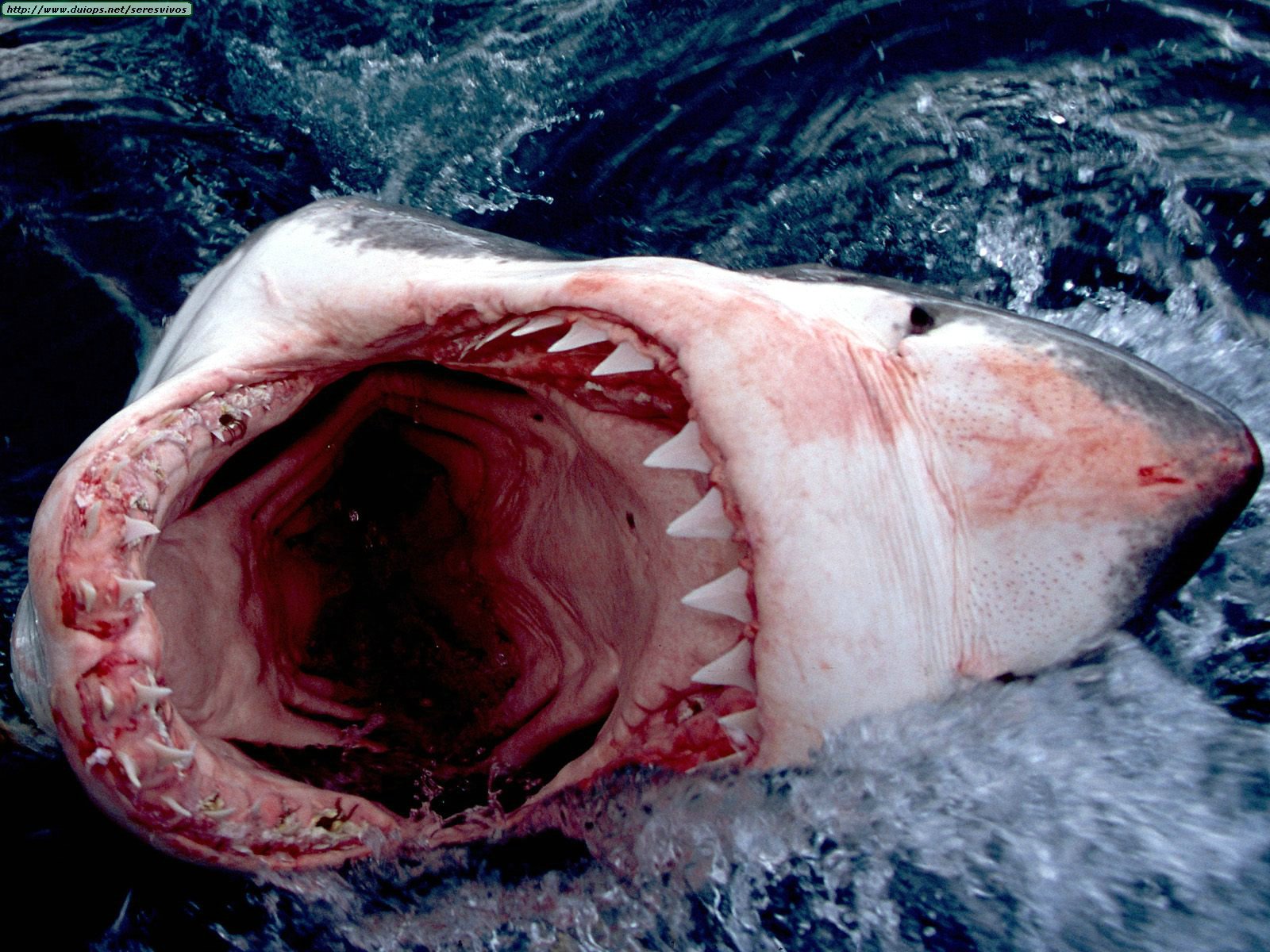
like all ancient sea serpents current orthodox thought is that they are the product of an over fertile imagination combined with a fear of the unknown ocean
but in this case
[edit on 21-6-2007 by Marduk]
[edit on 21-6-2007 by Marduk]
[edit on 22-6-2007 by sanctum]
[edit on 22-6-2007 by asala]
hadn't heard of that one
wiki has a page (you don't have to read it Mojo)
en.wikipedia.org...
this bit made me laugh hysterically
Other taniwha appear as a floating log, which behaves in a disconcerting way
aaaaaaaaaagggggggggggggghhhhhhhhhhh run its a disconcerting log
superstitious lot these Maori
like all ancient sea serpents current orthodox thought is that they are the product of an over fertile imagination combined with a fear of the unknown ocean
but in this case
The word taniwha has been reconstructed to Proto-Oceanic *tanifa, with the meaning 'species of shark'. In Tongan and Niuean, tenifa refers to a large dangerous shark,
as does the Samoan tanifa; the Tokelauan tanifa is a sea-monster that eats people. In most other Polynesian languages, the cognate words refer to sharks or simply fish
[edit on 21-6-2007 by Marduk]
[edit on 21-6-2007 by Marduk]
[edit on 22-6-2007 by sanctum]
[edit on 22-6-2007 by asala]
I hate to mention this but your shark needs a dentist. I saw some terrible decay there.
** MARDUK ** can you please resize that image so I dont have to scroll my screen over to read every sentance? Please?!
If I wasnt about to read a book and catch some zzzz's I would stay and post some serpent stuff.. well, stay tuned! Nice thread by the way, I'm sure it will get alot of good replies.
If I wasnt about to read a book and catch some zzzz's I would stay and post some serpent stuff.. well, stay tuned! Nice thread by the way, I'm sure it will get alot of good replies.
Ahh sorry if i was a bit narky Marduk, bad day at the office.
Thanks for that info sy, i have some Maori friends that i'll catch up with over the weekend i'll see what they know of that myth.
I will have some more info to post on the Rainbow serpent as well.
Whether serpent or snake Marduk the similarity's of shape/form cant be discounted as having some basis for the mythology of both intertwining imo. As i said earlier though it is called the rainbow serpent the aborigines of arhnem land refer to it as a large snake, even though it's body is made up of the parts of many animals, it is the shape and its attributes that suggest its name as snake/serpent.
Many of the snake and serpent mythology's seem to attach creator/life/rebirth attributes, the rebirth part is particularly interesting as it could relate to the snake shedding its skin. Rebirth?
Given a bit more time i'll try and get through all the links everyones posted, even the Wiki ones.
Thanks for the reply's so far.
Thanks for that info sy, i have some Maori friends that i'll catch up with over the weekend i'll see what they know of that myth.
I will have some more info to post on the Rainbow serpent as well.
Whether serpent or snake Marduk the similarity's of shape/form cant be discounted as having some basis for the mythology of both intertwining imo. As i said earlier though it is called the rainbow serpent the aborigines of arhnem land refer to it as a large snake, even though it's body is made up of the parts of many animals, it is the shape and its attributes that suggest its name as snake/serpent.
Many of the snake and serpent mythology's seem to attach creator/life/rebirth attributes, the rebirth part is particularly interesting as it could relate to the snake shedding its skin. Rebirth?
Given a bit more time i'll try and get through all the links everyones posted, even the Wiki ones.
Thanks for the reply's so far.
MYTHOLOGY?! whom cares about mythology. How about the DIRT Pharoahs...
They were "worshippers" of serpeants, but serpeants kingdom in mysterious ways. Two triangles battling eachother for the CHESS PIECE of the Greek God Zeus. The history on snakes is they are beguilers in secret(while honest looking) but there is a warning to call the serpeants beguilers harm shall come to those who does. Snakes are lovely creatures that are PURE FEAR of the Greek God Zeus from instant death feeling sorry for him and his people in the world and their lack of bread / breadings. There... that is all you need .. if you need more information give me a hollar at [email protected]
Denise Marie King
vgl on EFNET
members.fortunecity.com... At my web site
They were "worshippers" of serpeants, but serpeants kingdom in mysterious ways. Two triangles battling eachother for the CHESS PIECE of the Greek God Zeus. The history on snakes is they are beguilers in secret(while honest looking) but there is a warning to call the serpeants beguilers harm shall come to those who does. Snakes are lovely creatures that are PURE FEAR of the Greek God Zeus from instant death feeling sorry for him and his people in the world and their lack of bread / breadings. There... that is all you need .. if you need more information give me a hollar at [email protected]
Denise Marie King
vgl on EFNET
members.fortunecity.com... At my web site
new topics
-
President BIDEN's FBI Raided Donald Trump's Florida Home for OBAMA-NORTH KOREA Documents.
Political Conspiracies: 15 minutes ago -
Maestro Benedetto
Literature: 1 hours ago -
Is AI Better Than the Hollywood Elite?
Movies: 1 hours ago -
Las Vegas UFO Spotting Teen Traumatized by Demon Creature in Backyard
Aliens and UFOs: 5 hours ago -
2024 Pigeon Forge Rod Run - On the Strip (Video made for you)
Automotive Discussion: 6 hours ago -
Gaza Terrorists Attack US Humanitarian Pier During Construction
Middle East Issues: 6 hours ago -
The functionality of boldening and italics is clunky and no post char limit warning?
ATS Freshman's Forum: 7 hours ago -
Meadows, Giuliani Among 11 Indicted in Arizona in Latest 2020 Election Subversion Case
Mainstream News: 8 hours ago -
Massachusetts Drag Queen Leads Young Kids in Free Palestine Chant
Social Issues and Civil Unrest: 8 hours ago -
Weinstein's conviction overturned
Mainstream News: 9 hours ago
top topics
-
Krystalnacht on today's most elite Universities?
Social Issues and Civil Unrest: 11 hours ago, 9 flags -
Supreme Court Oral Arguments 4.25.2024 - Are PRESIDENTS IMMUNE From Later Being Prosecuted.
Above Politics: 11 hours ago, 8 flags -
University of Texas Instantly Shuts Down Anti Israel Protests
Education and Media: 14 hours ago, 7 flags -
Weinstein's conviction overturned
Mainstream News: 9 hours ago, 7 flags -
Gaza Terrorists Attack US Humanitarian Pier During Construction
Middle East Issues: 6 hours ago, 7 flags -
Massachusetts Drag Queen Leads Young Kids in Free Palestine Chant
Social Issues and Civil Unrest: 8 hours ago, 6 flags -
Meadows, Giuliani Among 11 Indicted in Arizona in Latest 2020 Election Subversion Case
Mainstream News: 8 hours ago, 5 flags -
Las Vegas UFO Spotting Teen Traumatized by Demon Creature in Backyard
Aliens and UFOs: 5 hours ago, 4 flags -
President BIDEN's FBI Raided Donald Trump's Florida Home for OBAMA-NORTH KOREA Documents.
Political Conspiracies: 15 minutes ago, 3 flags -
2024 Pigeon Forge Rod Run - On the Strip (Video made for you)
Automotive Discussion: 6 hours ago, 2 flags
active topics
-
Nearly 70% Of Americans Want Talks To End War In Ukraine
Political Issues • 95 • : Irishhaf -
Sunak spinning the sickness figures
Other Current Events • 23 • : NoCorruptionAllowed -
Meadows, Giuliani Among 11 Indicted in Arizona in Latest 2020 Election Subversion Case
Mainstream News • 14 • : WeMustCare -
HORRIBLE !! Russian Soldier Drinking Own Urine To Survive In Battle
World War Three • 44 • : theshadowknows -
University of Texas Instantly Shuts Down Anti Israel Protests
Education and Media • 233 • : DBCowboy -
President BIDEN's FBI Raided Donald Trump's Florida Home for OBAMA-NORTH KOREA Documents.
Political Conspiracies • 0 • : WeMustCare -
God's Righteousness is Greater than Our Wrath
Religion, Faith, And Theology • 31 • : glend -
Post A Funny (T&C Friendly) Pic Part IV: The LOL awakens!
General Chit Chat • 7135 • : underpass61 -
VP's Secret Service agent brawls with other agents at Andrews
Mainstream News • 62 • : ByeByeAmericanPie -
SETI chief says US has no evidence for alien technology. 'And we never have'
Aliens and UFOs • 72 • : yuppa