It looks like you're using an Ad Blocker.
Please white-list or disable AboveTopSecret.com in your ad-blocking tool.
Thank you.
Some features of ATS will be disabled while you continue to use an ad-blocker.

Some of the world’s most Alien & Beautiful Landscapes
page: 1share:
Previously I have done Clips and pictures of the worlds weirdest creatures, and
thought it would be nice to expand it to the world’s most alien and beautiful landscapes, it takes away from the doom and gloom of lately and helps
us appreciate how beautiful our planet actually is. I hope you enjoy
Socotra Island (Indian Ocean)
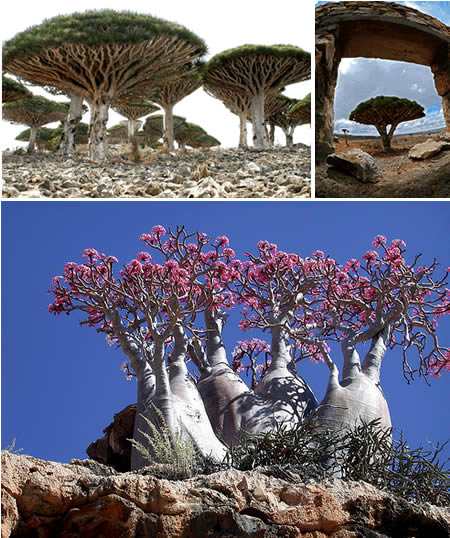
This Island has some of the most intriguing and beautiful landscapes on earth, this is part of agroup of 4 islands that has been isolated from mainland Africa for at least 6-7 million years, it boasts at least 700very rare species of flora and fauna a full 1/3 of which is considered endemic. Some of the tree’s and plants here have been preserved due to its isolated location and a few are even 200 million years old.
Rio Tinto (Spain)
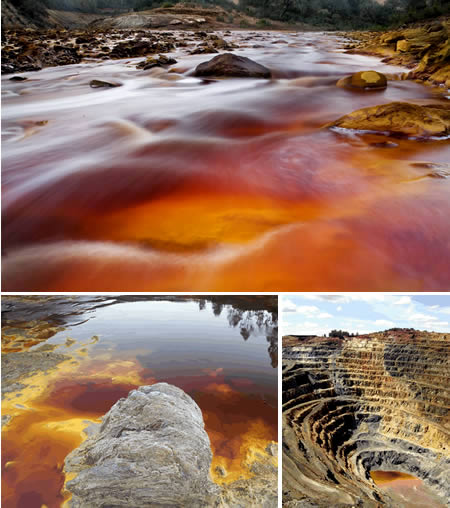
The giant opencast mines of Rio Tinto create a surreal, almost lunar landscape. Its growth has consumed not only mountains and valleys but even entire villages, whose populations had to be resettled in specially built towns nearby. Named after the river which flows through the region-itself named for the reddish streaks that color its water-Rio Tinto has become a landscape within a landscape. The river red water is highly acidic and rich in heavy metals.
The Stone Forest (China)
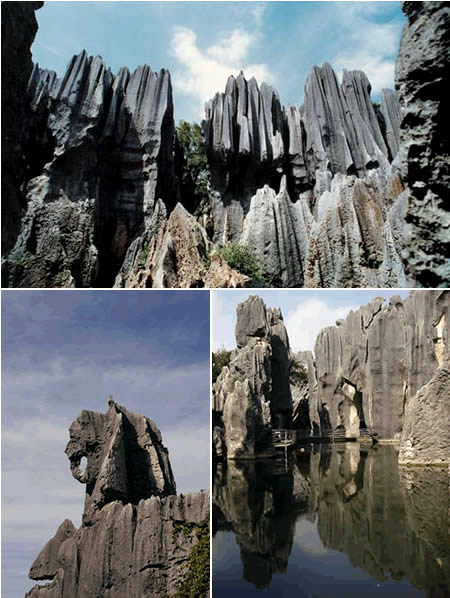
The Chinese stone forst or the shilin, has been known as the ‘first wonder of the world’ since the ming dynasty. The rocks are limestone and were formed by water percolating the grounds surface and eroding the limestone away to leave just the pillars.
The Richat Structure (Mauritania)
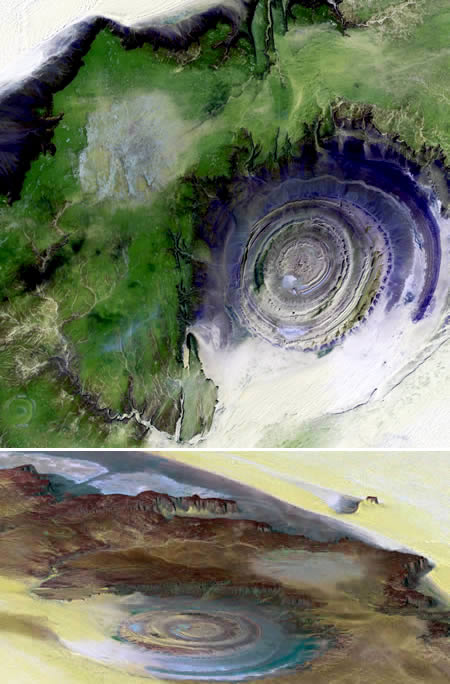
A simply devine landscape on the southwestern part of the sahara desert, this landform, has a huge diameter of 30 miles and is visable from space. Origionally thought to be caused by a merteor impact it is now thought that it is caused byuplift and erosion, however, the cause its curcular shape is unknown.
The spotted lake – Canada
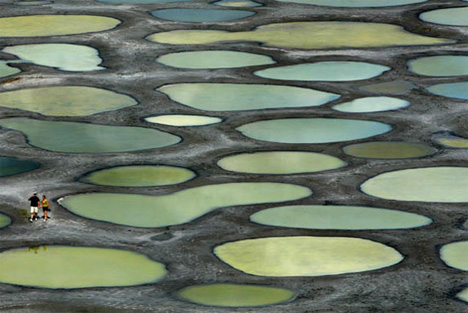
Looks like some pokadotted madness lol , but this lake was formed by the high contrast of salt and other minerals, thus creating many different pools of water rather than 1 body of water.
Rotorua, New Zealand
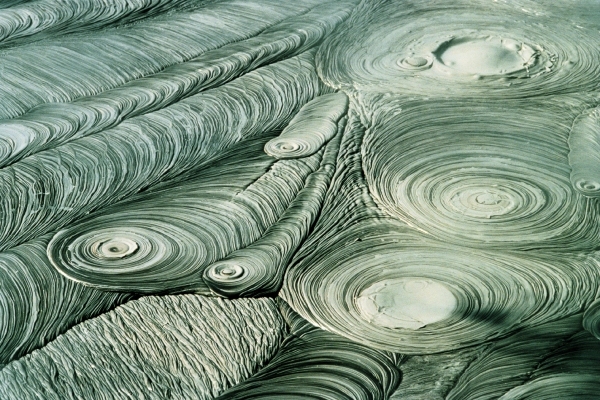
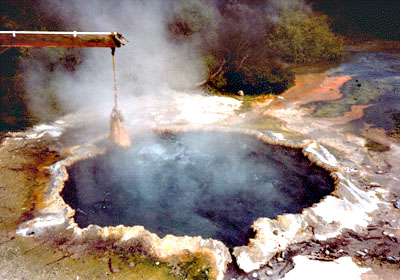
Located in the ‘bay of plenty’ region of the north island of new Zealand, the city is well renowned for its rotton eggs smell – this is caused due to the high volcanic activity which releases sulphar. Geysers and bubbling mud-pools, hot thermal springs and the Buried Village (Te Wairoa) – are within easy reach of the city.This thermal activity owes itself to the Rotorua caldera on which the city lies. Waters of ivid colors, from yellow to orange to green
Kauai, Hawaii
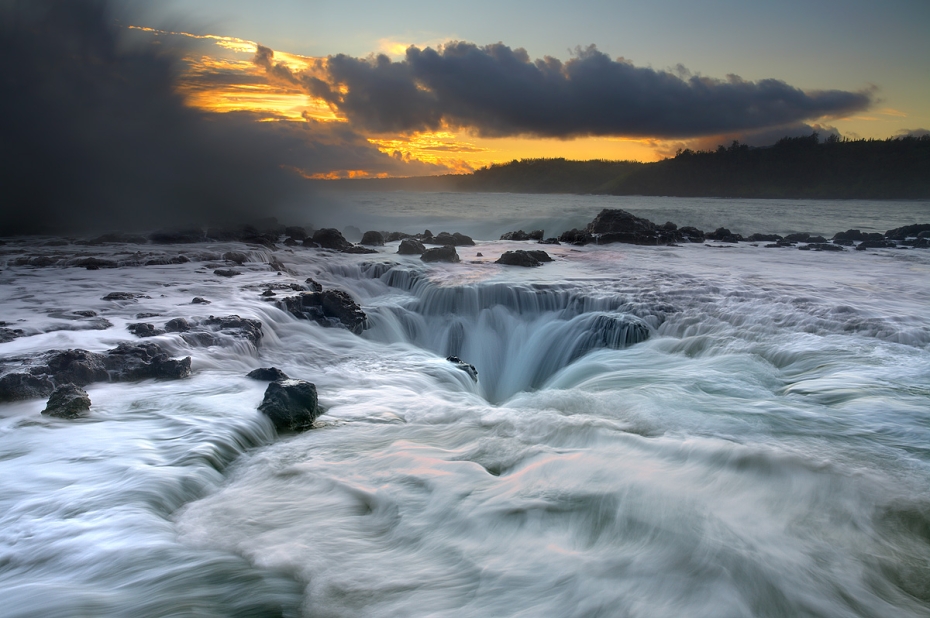
Kauai is the oldest of the main Hawaiian Islands, it is the fourth largest of the main islands. Seaside lava ledges make for otherworldly experiences on this often-overlooked Hawaiian island
Mount Roraima (Venezuela, Brazil and Guyana)
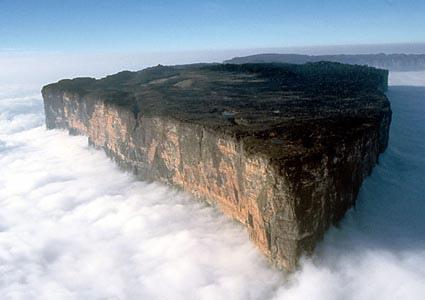
It is a tabletop mountain with sheer 400-metre high cliffs on all sides. There is only one ‘easy’ way up, on a natural staircase-like ramp on the Venezuelan side – to get up any other way takes and experienced rock climber. On the top of the mountain it rains almost every day, washing away most of the nutrients for plants to grow and creating a unique landscape on the bare sandstone surface.
Coyote Buttes - Utah Desert.
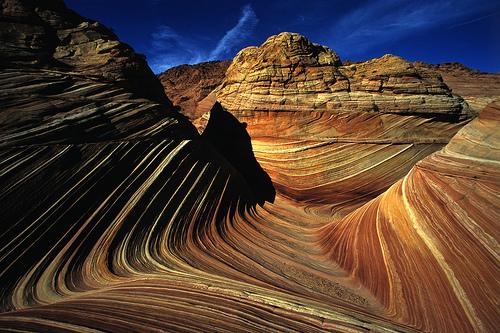
A Truly fascinating landscape, this formation int hat area and described as ‘the wave’. The area is devided into 2, Coyote Buttes North and Coyote Buttes South. To visit this area you have to get a hikers permit well in advance as only 20 people per day are allowed to visit.
Niagra Falls
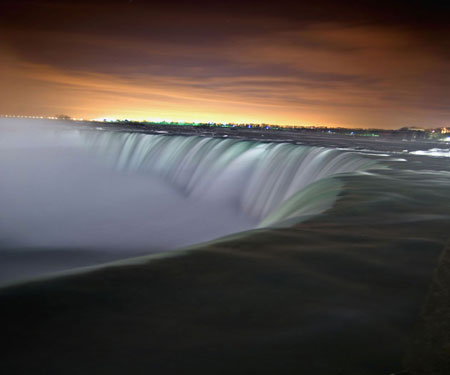
Personally one of my favorite natural places, it is simply breathtaking imo.
PAMUKKALE – TURKEY
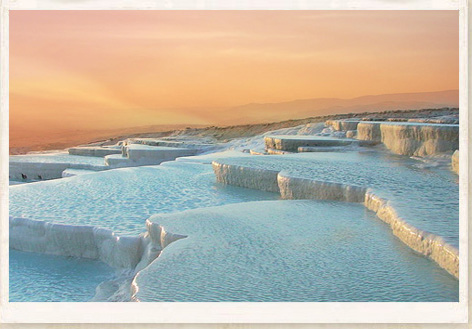
Thousands of years ago earthquakes, which are common in Turkey, created fractures that allowed powerful hot springs to bring water rich in calcium carbonate to the surface. As the water evaporated the chalky material condensed and formed layer-upon-layer of Travertine and thus slowly built up the walls over time in the same way that a stalactite forms in a cave.
GREAT BLUE HOLE - BELIZE
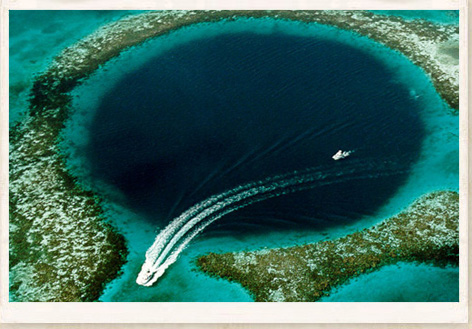
The Great Blue Hole is located in the Light House Reef aproximately halfway between Long Caye and Sandbore Caye.
It is about 60 miles east from the mainland of Belize (city). Divers have reported a vast number of aquatic creatures some of which are still new to science.
Banaue Rice Terraces
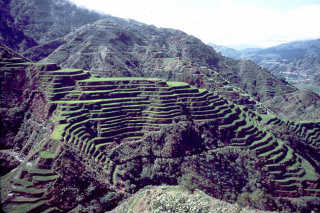
Located in the Philippines, these layered rice plantings have been built by the native Ifugaos and are estimated to be 2000 years
Mono Lake, California
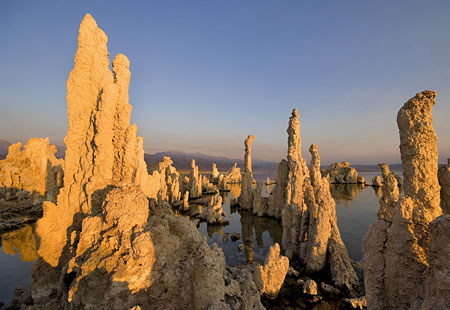
Rising from the surface are gnarled spires of limestone called tufa towers. Normally an underwater feature, the formations have become visible since water diversions began shrinking the lake in 1951.
The Giant's Causeway, Northern Ireland
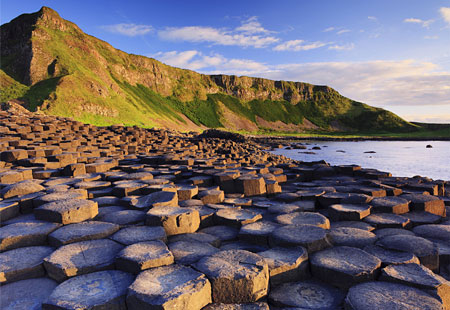
Once thought to be constructed by a mythical warrior according to legends, this is a wholly natural phenomina according to scientists. It is a vast a field of thousands and thousands of basalt columns formed by ancient volcanic activity.
Mud Volcanoes, Azerbaijan
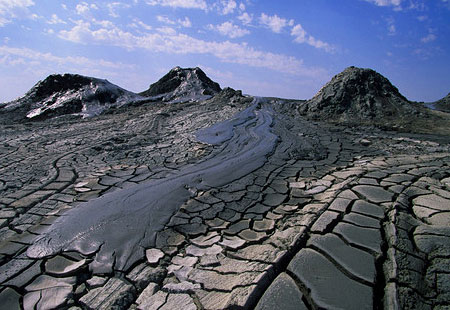
As the name says they are volcanoes made of mud, and Azerbaijan has over 300 of them The bizarre geological phenomena usually belch mud and gases fairly peaceably, but they can turn violent: In 2001, a mud volcano a few miles from the capital, Baku, spit fire nearly 50 feet in the air.
The gates of hell - Uzbekistan
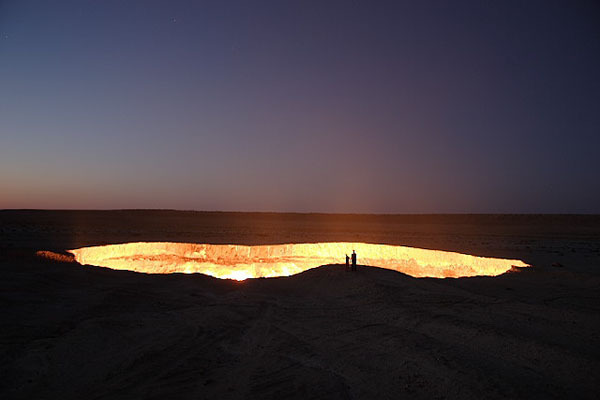
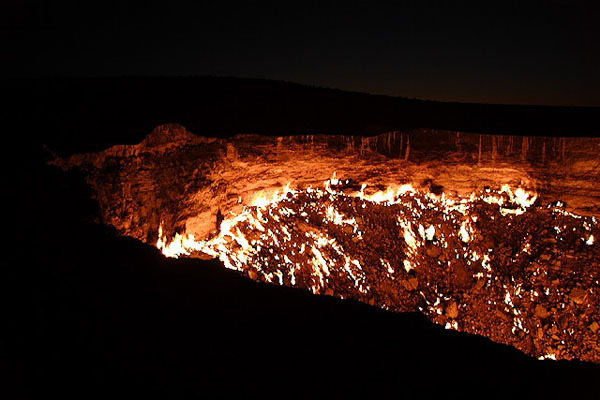
The hole filled with burning gas called by locals “the door to hell” is in Uzbekistan but could as well be a quiet spot somewhere on Venus.
The Antelope Canyon – Arizona
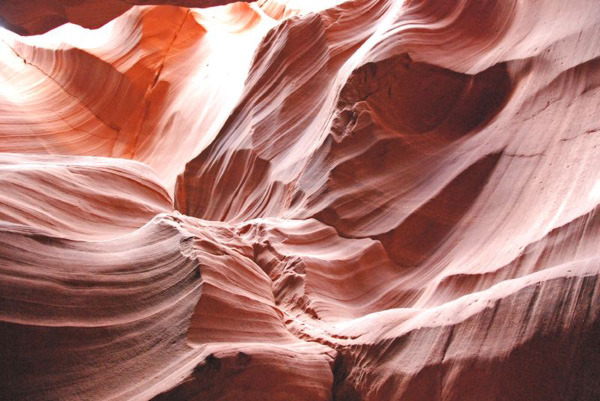
located on Navajo land near Page,Arizona. Antelope Canyon was formed by erosion of Navajo Sandstone, primarily due to flash flooding and other sub – areil processes. A truly beautiful place
Yellowstone National Park
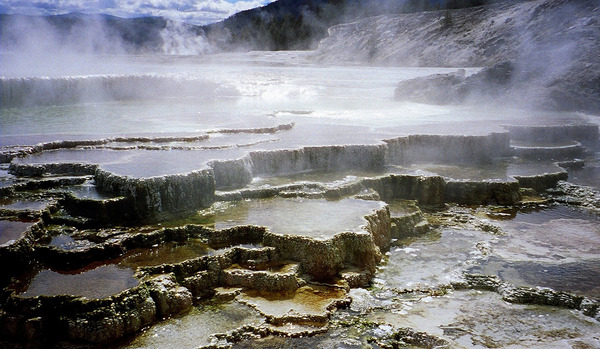
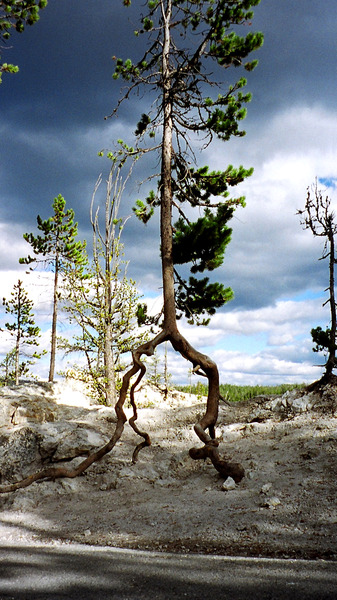
A truly wonderous and beautiful place, which has highly active volcanic activity amongst other things. The terraces of Mammoth Hot Springs in Yellowstone National Park, are created by heat, water, limestone, and rock fracture. The formation is like a living sculpture that is constantly changing by flowing water and erosion. Well...the trees are very much alive as well.
That concludes the OP, I hope you found these as amazing as I did, and please as always add your own for others to see.
Socotra Island (Indian Ocean)
This Island has some of the most intriguing and beautiful landscapes on earth, this is part of agroup of 4 islands that has been isolated from mainland Africa for at least 6-7 million years, it boasts at least 700very rare species of flora and fauna a full 1/3 of which is considered endemic. Some of the tree’s and plants here have been preserved due to its isolated location and a few are even 200 million years old.
Rio Tinto (Spain)
The giant opencast mines of Rio Tinto create a surreal, almost lunar landscape. Its growth has consumed not only mountains and valleys but even entire villages, whose populations had to be resettled in specially built towns nearby. Named after the river which flows through the region-itself named for the reddish streaks that color its water-Rio Tinto has become a landscape within a landscape. The river red water is highly acidic and rich in heavy metals.
The Stone Forest (China)
The Chinese stone forst or the shilin, has been known as the ‘first wonder of the world’ since the ming dynasty. The rocks are limestone and were formed by water percolating the grounds surface and eroding the limestone away to leave just the pillars.
The Richat Structure (Mauritania)
A simply devine landscape on the southwestern part of the sahara desert, this landform, has a huge diameter of 30 miles and is visable from space. Origionally thought to be caused by a merteor impact it is now thought that it is caused byuplift and erosion, however, the cause its curcular shape is unknown.
The spotted lake – Canada
Looks like some pokadotted madness lol , but this lake was formed by the high contrast of salt and other minerals, thus creating many different pools of water rather than 1 body of water.
Rotorua, New Zealand
Located in the ‘bay of plenty’ region of the north island of new Zealand, the city is well renowned for its rotton eggs smell – this is caused due to the high volcanic activity which releases sulphar. Geysers and bubbling mud-pools, hot thermal springs and the Buried Village (Te Wairoa) – are within easy reach of the city.This thermal activity owes itself to the Rotorua caldera on which the city lies. Waters of ivid colors, from yellow to orange to green
Kauai, Hawaii
Kauai is the oldest of the main Hawaiian Islands, it is the fourth largest of the main islands. Seaside lava ledges make for otherworldly experiences on this often-overlooked Hawaiian island
Mount Roraima (Venezuela, Brazil and Guyana)
It is a tabletop mountain with sheer 400-metre high cliffs on all sides. There is only one ‘easy’ way up, on a natural staircase-like ramp on the Venezuelan side – to get up any other way takes and experienced rock climber. On the top of the mountain it rains almost every day, washing away most of the nutrients for plants to grow and creating a unique landscape on the bare sandstone surface.
Coyote Buttes - Utah Desert.
A Truly fascinating landscape, this formation int hat area and described as ‘the wave’. The area is devided into 2, Coyote Buttes North and Coyote Buttes South. To visit this area you have to get a hikers permit well in advance as only 20 people per day are allowed to visit.
Niagra Falls
Personally one of my favorite natural places, it is simply breathtaking imo.
PAMUKKALE – TURKEY
Thousands of years ago earthquakes, which are common in Turkey, created fractures that allowed powerful hot springs to bring water rich in calcium carbonate to the surface. As the water evaporated the chalky material condensed and formed layer-upon-layer of Travertine and thus slowly built up the walls over time in the same way that a stalactite forms in a cave.
GREAT BLUE HOLE - BELIZE
The Great Blue Hole is located in the Light House Reef aproximately halfway between Long Caye and Sandbore Caye.
It is about 60 miles east from the mainland of Belize (city). Divers have reported a vast number of aquatic creatures some of which are still new to science.
Banaue Rice Terraces
Located in the Philippines, these layered rice plantings have been built by the native Ifugaos and are estimated to be 2000 years
Mono Lake, California
Rising from the surface are gnarled spires of limestone called tufa towers. Normally an underwater feature, the formations have become visible since water diversions began shrinking the lake in 1951.
The Giant's Causeway, Northern Ireland
Once thought to be constructed by a mythical warrior according to legends, this is a wholly natural phenomina according to scientists. It is a vast a field of thousands and thousands of basalt columns formed by ancient volcanic activity.
Mud Volcanoes, Azerbaijan
As the name says they are volcanoes made of mud, and Azerbaijan has over 300 of them The bizarre geological phenomena usually belch mud and gases fairly peaceably, but they can turn violent: In 2001, a mud volcano a few miles from the capital, Baku, spit fire nearly 50 feet in the air.
The gates of hell - Uzbekistan
The hole filled with burning gas called by locals “the door to hell” is in Uzbekistan but could as well be a quiet spot somewhere on Venus.
The Antelope Canyon – Arizona
located on Navajo land near Page,Arizona. Antelope Canyon was formed by erosion of Navajo Sandstone, primarily due to flash flooding and other sub – areil processes. A truly beautiful place
Yellowstone National Park
A truly wonderous and beautiful place, which has highly active volcanic activity amongst other things. The terraces of Mammoth Hot Springs in Yellowstone National Park, are created by heat, water, limestone, and rock fracture. The formation is like a living sculpture that is constantly changing by flowing water and erosion. Well...the trees are very much alive as well.
That concludes the OP, I hope you found these as amazing as I did, and please as always add your own for others to see.
Wow..they're so pretty! Our Earth is indeed...I just hope it stays that way.
I shall be adding photos when I come home!
I shall be adding photos when I come home!
Sorry I don't have any to add right now, but that's the most stunning collection of landscape images I've ever seen. One star and one flag doesn't seem like enough for me to give but it's all I can do to thank you for sharing this beautiful and stunning collection with us, complete with nice descriptions of what we're looking at!
Originally posted by ronishia
That concludes the OP, I hope you found these as amazing as I did, and please as always add your own for others to see.
I hope you get 500 flags and 500 stars!
Nicely done!
reply to post by ronishia
I wish I could write a witty and inspirational reply, but I can't.
What I can say is. "wow, fantastic and thank you for sharing with us."
I wish I could write a witty and inspirational reply, but I can't.
What I can say is. "wow, fantastic and thank you for sharing with us."
Another wonderful thread detailing what a great planet it is (once we get away from problems caused by us). It would be amazing to travel through out
the world witnessing places such as these first hand but sadly, lacking a lottery win, i do not see this happening, for me at least
reply to post by ronishia
awesome collection OP!!! thanks for the effort..
do you mind if i add some to your thread?
thanks!
awesome collection OP!!! thanks for the effort..
do you mind if i add some to your thread?
thanks!
reply to post by ronishia
I always enjoy these threadsof yours....well done and I look forward to your next batch!
I always enjoy these threadsof yours....well done and I look forward to your next batch!
Thanks for sharing those with us.
It is truly inspiring to know that amongst all the crap we have done to this planet that there are still places like this out there.
It is truly inspiring to know that amongst all the crap we have done to this planet that there are still places like this out there.
Wow, awesome images. They look like beautiful places to go travel and see. Breath taking that's for sure.
reply to post by ronishia
Very nice collection, and I always felt the greatest show on Earth is Earth itself. I like the Rotorua New Zealand pic, pretty cool. Your thread immediately made me think of Alaska Man's thread, : The World's Most Colorful River
Peace,
spec
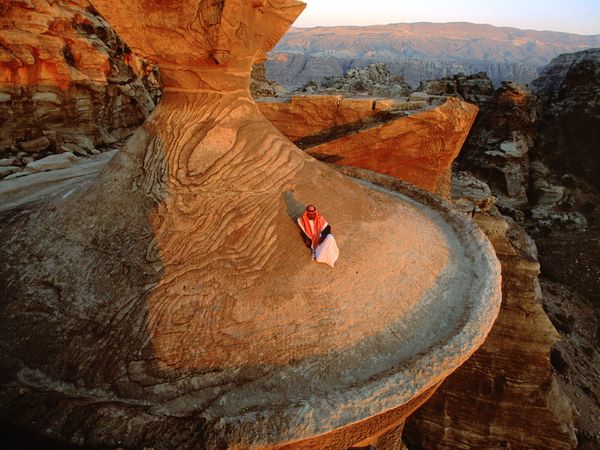
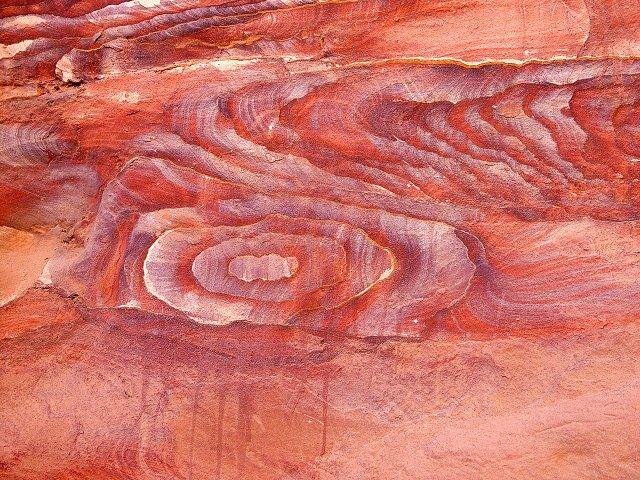
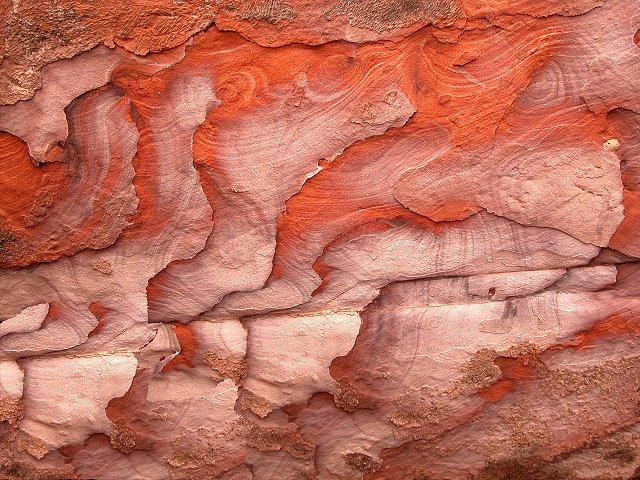
ETA: I always thought Petra had an extraordinary landscape too:
Very nice collection, and I always felt the greatest show on Earth is Earth itself. I like the Rotorua New Zealand pic, pretty cool. Your thread immediately made me think of Alaska Man's thread, : The World's Most Colorful River
Peace,
spec
ETA: I always thought Petra had an extraordinary landscape too:
edit on 12-10-2011 by speculativeoptimist because: (no reason given)
Here's another Wonderous location on planet Earth to ponder upon...
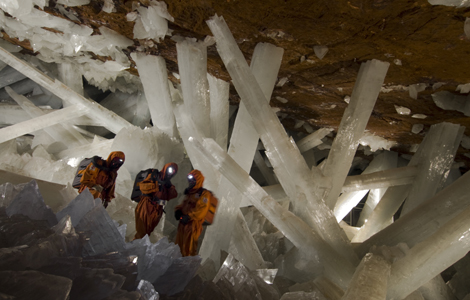
Located deep under ground in Mexico is the World's largest crystal cavern discovered to date...
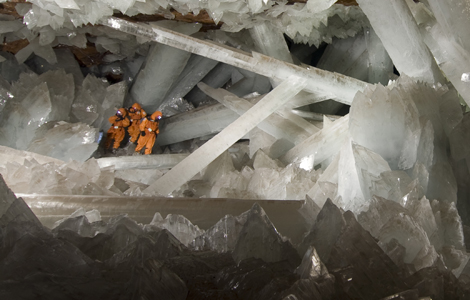
These crystals formed within a hot environment, which purified the gypsum materials the location is rich with and altered it's crystaline structure to create selenite crystals that, over thousands of years, have grown to gargantuan perportions.
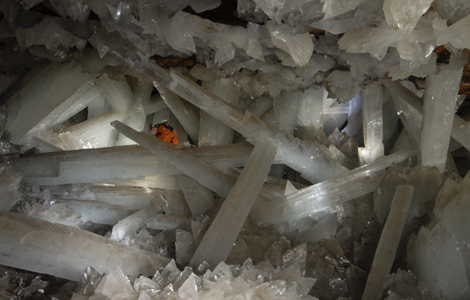
an ATS article was created that contains more info about this treasure entitled:
Hollow Earth: Evidence of FantasyLand (Must See !)
Thanks for the Post OP, I enjoyed your presentation!
Located deep under ground in Mexico is the World's largest crystal cavern discovered to date...
These crystals formed within a hot environment, which purified the gypsum materials the location is rich with and altered it's crystaline structure to create selenite crystals that, over thousands of years, have grown to gargantuan perportions.
an ATS article was created that contains more info about this treasure entitled:
Hollow Earth: Evidence of FantasyLand (Must See !)
Thanks for the Post OP, I enjoyed your presentation!
Nice collection and thanks for sharing
The very first picture (trees that looked like mushrooms to me) reminded me of the "Rocks" they photographed on Mars... Just saying
The very first picture (trees that looked like mushrooms to me) reminded me of the "Rocks" they photographed on Mars... Just saying
very cool thread....thx for posting......I live in the midwest and I find every time I leave it the world is so different...ill have to put some of
these places on my list
Here's another...
Limestone spires of Madagascar...
m.io9.com...
Limestone spires of Madagascar...
m.io9.com...
edit on 12-10-2011 by colbyforce because: (no reason given)
Fear mongering is fun and all. but these are the threads I like the most on ATS. educational, cool and thought provoking.
Originally posted by ronishia
The Giant's Causeway, Northern Ireland
Once thought to be constructed by a mythical warrior according to legends, this is a wholly natural phenomina according to scientists. It is a vast a field of thousands and thousands of basalt columns formed by ancient volcanic activity.
"according to scientists"
Anyone knows a link describing this geological process in detail? I'm very curious. I tried to find one but wasn't lucky.
reply to post by cybergatuno
en.wikipedia.org...'s_Causeway
www.northantrim.com...
from above link
www.northantrim.com...
www.causewaycoastalroute.com...
www.bbc.co.uk...
en.wikipedia.org...'s_Causeway
www.northantrim.com...
from above link
Scientific facts - The causeway was formed during the early Tertiary period some 62 - 65 million years ago over a long period of igneous activity. Three lava outflows occurred known as the Lower, Middle and Upper Basaltic. Lulls occurred between the outflows as is evident in the deep inter-basaltic layer of reddish brown 'lithomarge' which is rich in clay, iron and aluminium oxides from weathering of the underlying basalt. The causeway area would have been situated in an equatorial region at that time, experiencing hot and humid conditions. This came about due to the fact that the earth's crust is floating on moving plates known as 'tectonic plates', these move slowly but over millions of years they can travel thousands of miles. The hexagonal columns of the causeway occur in the middle basalt layer, the same formations can be seen at Staffa in Scotland (Fingal's Cave) and they also occurs in the the surrounding landscape of North Antrim and in fact many other parts of the world.
www.northantrim.com...
www.causewaycoastalroute.com...
www.bbc.co.uk...
Absolutely Awesome!1
I hadn't heard of a few of these places before.
Thankyou
I hadn't heard of a few of these places before.
Thankyou
That is some of the most beautiful pictures I've seen in my life. And people marvel at LA and NYC, disgusting. I am glad I live in Alaska, almost
everywhere you go its pristine, and untouched.
S and F for the OP
I will be one of the first to overthrow any government that comes to destroy some of the remaining beauty marks left on earth, armed and loaded, let them have the big cities, oh wait, they already do. A salute to my government with my pants around my .. hold on there's a knock a my door.....
S and F for the OP
I will be one of the first to overthrow any government that comes to destroy some of the remaining beauty marks left on earth, armed and loaded, let them have the big cities, oh wait, they already do. A salute to my government with my pants around my .. hold on there's a knock a my door.....
new topics
-
How does my computer know
Education and Media: 1 hours ago -
USO 10 miles west of caladesi island, Clearwater beach Florida
Aliens and UFOs: 5 hours ago
top topics
-
Anti-Israel Protesters in CHICAGO Chant 'Death to Israel and 'Death to America'
Social Issues and Civil Unrest: 17 hours ago, 15 flags -
Running Through Idiot Protestors Who Block The Road
Rant: 16 hours ago, 12 flags -
Tesla cutting 14,000 jobs
Global Meltdown: 14 hours ago, 6 flags -
Israel ufo shoot down drones?
Aliens and UFOs: 14 hours ago, 6 flags -
USO 10 miles west of caladesi island, Clearwater beach Florida
Aliens and UFOs: 5 hours ago, 6 flags -
Abortions in first 12 weeks should be legalised in Germany, commission says
Medical Issues & Conspiracies: 14 hours ago, 5 flags -
On this Day in History, April 15, 1865, Abraham Lincoln Passed Away.
General Chit Chat: 14 hours ago, 4 flags -
How does my computer know
Education and Media: 1 hours ago, 0 flags
active topics
-
Abortions in first 12 weeks should be legalised in Germany, commission says
Medical Issues & Conspiracies • 10 • : Freeborn -
President BIDEN Warned IRAN Not to Attack ISRAEL - Iran Responded with a Military Attack on Israel.
World War Three • 38 • : TinfoilTophat -
How does my computer know
Education and Media • 1 • : UpIsNowDown2 -
Canadian Police Urge Citizens To Avoid Conflict With Armed Robbers By Leaving Keys At Front Door
Social Issues and Civil Unrest • 68 • : Astyanax -
Gold and silver prices....woo hoo
History • 71 • : SchrodingersRat -
Afterlife, unknown, so prepare, or just go into the unknown (bad)!!
ATS Skunk Works • 49 • : Kennyb75 -
Fossils in Greece Suggest Human Ancestors Evolved in Europe, Not Africa
Origins and Creationism • 46 • : matafuchs -
America's Infant Mortality Rate Increases for the First Time in 20 Years
Medical Issues & Conspiracies • 17 • : nugget1 -
Mandela Effect - It Happened to Me!
The Gray Area • 98 • : BeTheGoddess2 -
The Truth About Jesus
Conspiracies in Religions • 265 • : glend