It looks like you're using an Ad Blocker.
Please white-list or disable AboveTopSecret.com in your ad-blocking tool.
Thank you.
Some features of ATS will be disabled while you continue to use an ad-blocker.

Can You Identify this Plant? [Plant ID Project]
page: 7share:
This looks like Petasites albus?
Originally posted by JacKatMtn
And here's a fresh batch of plants to ID...
Im guessing Papaver rhoeas comon papaver?
reply to post by JacKatMtn
Yep Digitalis is quite deadly - and very common over here in Europe. Interestingly when looking into the plant I read -
something to bear in mind when foraging.
Yep Digitalis is quite deadly - and very common over here in Europe. Interestingly when looking into the plant I read -
en.wikipedia.org...
There have been instances of people confusing digitalis with the relatively harmless Symphytum (comfrey) plant (which is often brewed into a tea) with fatal consequences. Other fatal accidents involve children drinking the water in a vase containing digitalis plants. Drying does not reduce the toxicity of the plant. The plant is toxic to animals including all classes of livestock and poultry, as well as felids and canids
something to bear in mind when foraging.
edit on 11-6-2011 by Silk because: accreditation
reply to post by JacKatMtn
The blue groundcovering flowers are I believe called Blue Daise- my mother has some in her yard. I've seen the pink flowering trees but I just can't recall what it is at this time. White flowers are definitely Dogwood, and they can be found growing wild in the woods. If you want to transplant baby Dogwood trees from woods to your yard you need to mark them in the fall (around October is best) and go back and dig them up for transplant in early spring. If you don't mark them you will never be able to find them in the spring until it's too late to transplant.
The blue groundcovering flowers are I believe called Blue Daise- my mother has some in her yard. I've seen the pink flowering trees but I just can't recall what it is at this time. White flowers are definitely Dogwood, and they can be found growing wild in the woods. If you want to transplant baby Dogwood trees from woods to your yard you need to mark them in the fall (around October is best) and go back and dig them up for transplant in early spring. If you don't mark them you will never be able to find them in the spring until it's too late to transplant.
reply to post by semperfortis
Never touch the stuff *cough honest .....
Course today has all been French Coffee - the type beginning with Stella ....
Now to get the thread back on track - Loved seeing the teasles - as aa kid we would knot the stalks over the the stem and pull back - ready made missiles!
And the dandelion was known to me as a child as an "O'clock" you tell the time by blowing the seeds off - One O'Clock etc - but the plant make a great fizzy drink when coupled with Burdock - Dandelion and Burdock - kind of like an English Dr Pepper
Never touch the stuff *cough honest .....
Course today has all been French Coffee - the type beginning with Stella ....
Now to get the thread back on track - Loved seeing the teasles - as aa kid we would knot the stalks over the the stem and pull back - ready made missiles!
And the dandelion was known to me as a child as an "O'clock" you tell the time by blowing the seeds off - One O'Clock etc - but the plant make a great fizzy drink when coupled with Burdock - Dandelion and Burdock - kind of like an English Dr Pepper
reply to post by JacKatMtn
Ah, God bless you Jack! You know how to alleviate my boredom!
NEw pix ::dances around::
Hokay, lessee..
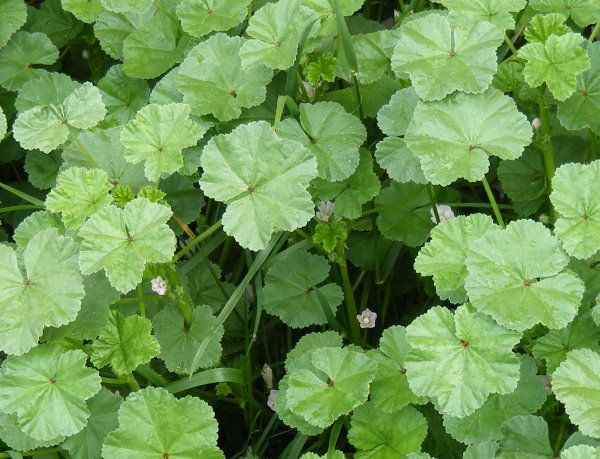
#1 Common Mallow (Malva neglecta) The fruits are edible and quite tasty btw.
#2 Bladder campion (Silene cucubulus)
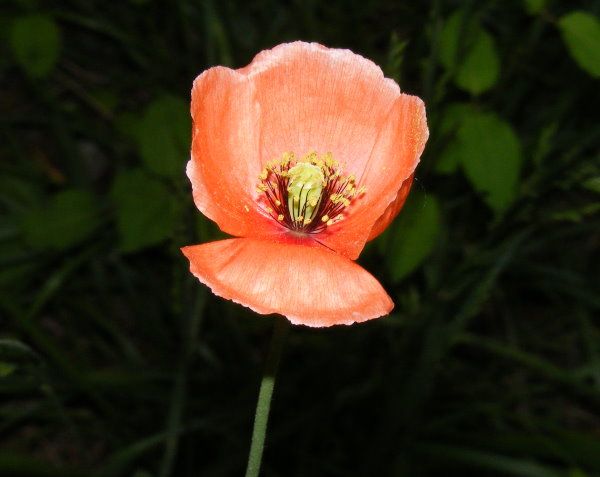
#3 some type of Poppy
#4 Common Speedwell (Veronica officinalis)
#5 Whorled Milkweed (Asclepias quadrifolia)
#6 Bowmans root (Gilenia trifoliata)
Everytime you put up new pictures feels like christmas to me.
Ah, God bless you Jack! You know how to alleviate my boredom!
NEw pix ::dances around::
Hokay, lessee..
#1 Common Mallow (Malva neglecta) The fruits are edible and quite tasty btw.
#2 Bladder campion (Silene cucubulus)
#3 some type of Poppy
#4 Common Speedwell (Veronica officinalis)
#5 Whorled Milkweed (Asclepias quadrifolia)
#6 Bowmans root (Gilenia trifoliata)
Everytime you put up new pictures feels like christmas to me.
What a fantastic thread !
I will have to attempt to upload some pics of my own.
For plants that you may know the name of but would like to learn more about. i.e. edible,medicinal, poisons, dyes etc.
A resource that my prove handy ( E.U and U.S)
Plants For A Future : 7000 Edible, Medicinal & Useful Plants (complete with pictures)
A truly incredible database- definitely worth checking out.
I will have to attempt to upload some pics of my own.
For plants that you may know the name of but would like to learn more about. i.e. edible,medicinal, poisons, dyes etc.
A resource that my prove handy ( E.U and U.S)
Plants For A Future : 7000 Edible, Medicinal & Useful Plants (complete with pictures)
A truly incredible database- definitely worth checking out.
Originally posted by UmbraSumus
For plants that you may know the name of but would like to learn more about. i.e. edible,medicinal, poisons, dyes etc.
A resource that my prove handy ( E.U and U.S)
Plants For A Future : 7000 Edible, Medicinal & Useful Plants (complete with pictures)
A truly incredible database- definitely worth checking out.
Thanks for posting that! Like you, I've got a mystery plant that I need to upload a photo of. It's something that is puzzling our local plant expert -- showed up in our dying ponds.
Okay... here's mine.
This plant has a thick stem that feels hollow but is tough to break (haven't broken one in half), leaves have leaflets (as you see) and the pattern is alternate (not opposite.) The plant appears to grow up to 4 feet high, but might grow higher.
These are appearing in the beds of the drying ponds. They're not one of the common invasives or common local plants. They grow quickly -- at an apparent rate of about a foot a week.
[atsimg]http://files.abovetopsecret.com/images/member/99dfdb659a43.jpg[/atsimg]
[atsimg]http://files.abovetopsecret.com/images/member/2c0a1c452e88.jpg[/atsimg]
Suggestions?
This plant has a thick stem that feels hollow but is tough to break (haven't broken one in half), leaves have leaflets (as you see) and the pattern is alternate (not opposite.) The plant appears to grow up to 4 feet high, but might grow higher.
These are appearing in the beds of the drying ponds. They're not one of the common invasives or common local plants. They grow quickly -- at an apparent rate of about a foot a week.
[atsimg]http://files.abovetopsecret.com/images/member/99dfdb659a43.jpg[/atsimg]
[atsimg]http://files.abovetopsecret.com/images/member/2c0a1c452e88.jpg[/atsimg]
Suggestions?
Identified the plant (whined at local expert until they responded) -- Sesbane herbaceae (Sesbane, coffee bean, Bequille.) It's been seen on the
property before. Must look up more about the thing.
reply to post by Byrd
Good deal, that one had me stumped..
here's a couple of links for that plant..
plants.usda.gov...
www.invasive.org...
Good deal, that one had me stumped..
here's a couple of links for that plant..
plants.usda.gov...
www.invasive.org...
Originally posted by AnteBellum
I tried everything to figure this one out, but couldn't come to a conclusion.
I love threads like this. Here is one for you:
A very adaptable plant, there are a bunch of these near by my home right now. (Not actual picture)
BTW is that a dogwood tree.edit on 4/9/2011 by AnteBellum because: (no reason given)
The cone flower you posted may be one of the varieties of "mexican hat".
Just noticed that nobody has yet identified the cactus on the first (second?) page. It's prickly pear cactus. Edible and medicinal.
I love this thread! Wish I'd found it sooner.
edit on 4-10-2011 by whitewave because: (no reason given)
Originally posted by JacKatMtn
Here's one that I haven't identified yet..
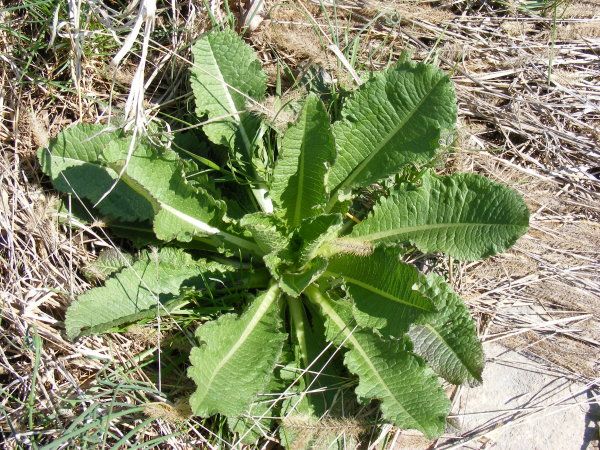
Isn't that dock? You rip off a leaf and rub it on your nettle stings and it takes the pain away.
reply to post by wigit
Not that one, that one is "common teasel"..
There are a couple of pics of dock in the thread though, and it does work well for stings or insect bites.. just crumble up the leaf til it's mushy then place on the affected area.. I used dock a couple of times this past spring
Not that one, that one is "common teasel"..
There are a couple of pics of dock in the thread though, and it does work well for stings or insect bites.. just crumble up the leaf til it's mushy then place on the affected area.. I used dock a couple of times this past spring
I hate quoting a quote, but in this case it's necessary. I apologize in advance. Silk, you're right. It's the Wiki article that's wrong.
I have grown both digitalis (foxglove) and symphytum officinale (common comfrey)
While both plants have a curling stem of flowers that are somewhat bell shaped, that's where the similarity ends. Foxglove flowers can get big enough for me to stick my thumb in them. I've never seen a comfrey flower larger than 1 cm long. Digitalis was used medicinally in extremely small doses to treat heart problems that no other medicines could treat. Overdoses stop the heart. An overdose can be a miniscule amount. And yet, people grow foxglove all over the place, and deaths are extremely rare.
I have grown both digitalis (foxglove) and symphytum officinale (common comfrey)
While both plants have a curling stem of flowers that are somewhat bell shaped, that's where the similarity ends. Foxglove flowers can get big enough for me to stick my thumb in them. I've never seen a comfrey flower larger than 1 cm long. Digitalis was used medicinally in extremely small doses to treat heart problems that no other medicines could treat. Overdoses stop the heart. An overdose can be a miniscule amount. And yet, people grow foxglove all over the place, and deaths are extremely rare.
Originally posted by Silk
reply to post by JacKatMtn
Yep Digitalis is quite deadly - and very common over here in Europe. Interestingly when looking into the plant I read -
en.wikipedia.org...
There have been instances of people confusing digitalis with the relatively harmless Symphytum (comfrey) plant (which is often brewed into a tea) with fatal consequences. Other fatal accidents involve children drinking the water in a vase containing digitalis plants. Drying does not reduce the toxicity of the plant. The plant is toxic to animals including all classes of livestock and poultry, as well as felids and canids
something to bear in mind when foraging.edit on 11-6-2011 by Silk because: accreditation
Originally posted by intergalactic fire
This looks like Petasites albus?
Originally posted by JacKatMtn
And here's a fresh batch of plants to ID...
edit on 12-10-2011 by whitewave because: N/M. Looks like AskThe Animals answered it. (Thanks, btw)
reply to post by JacKatMtn
Wisteria .
Mine are the more common lavender color.

Flowers hang like grapes. Very hard to eradicate if you don't want them.
Mine are the more common lavender color.
Flowers hang like grapes. Very hard to eradicate if you don't want them.
edit on Tue Nov 22 2011 by Jbird because: (no reason given)
So this thread is a year old... is anyone still interested in new additions? New year, new members and all.... ?
new topics
-
SETI chief says US has no evidence for alien technology. 'And we never have'
Aliens and UFOs: 54 minutes ago -
This is our Story
General Entertainment: 3 hours ago -
President BIDEN Vows to Make Americans Pay More Federal Taxes in 2025 - Political Suicide.
2024 Elections: 5 hours ago -
Ode to Artemis
General Chit Chat: 6 hours ago -
Ditching physical money
History: 10 hours ago -
One Flame Throwing Robot Dog for Christmas Please!
Weaponry: 10 hours ago -
Don't take advantage of people just because it seems easy it will backfire
Rant: 10 hours ago -
VirginOfGrand says hello
Introductions: 11 hours ago -
Should Biden Replace Harris With AOC On the 2024 Democrat Ticket?
2024 Elections: 11 hours ago
top topics
-
University student disciplined after saying veganism is wrong and gender fluidity is stupid
Education and Media: 14 hours ago, 14 flags -
Police clash with St George’s Day protesters at central London rally
Social Issues and Civil Unrest: 17 hours ago, 10 flags -
President BIDEN Vows to Make Americans Pay More Federal Taxes in 2025 - Political Suicide.
2024 Elections: 5 hours ago, 10 flags -
Should Biden Replace Harris With AOC On the 2024 Democrat Ticket?
2024 Elections: 11 hours ago, 6 flags -
One Flame Throwing Robot Dog for Christmas Please!
Weaponry: 10 hours ago, 6 flags -
Ditching physical money
History: 10 hours ago, 4 flags -
Don't take advantage of people just because it seems easy it will backfire
Rant: 10 hours ago, 4 flags -
God lived as a Devil Dog.
Short Stories: 15 hours ago, 3 flags -
VirginOfGrand says hello
Introductions: 11 hours ago, 2 flags -
Geddy Lee in Conversation with Alex Lifeson - My Effin’ Life
People: 15 hours ago, 2 flags
active topics
-
Republican Voters Against Trump
2024 Elections • 289 • : Justoneman -
SETI chief says US has no evidence for alien technology. 'And we never have'
Aliens and UFOs • 7 • : andy06shake -
The Acronym Game .. Pt.3
General Chit Chat • 7742 • : bally001 -
"We're All Hamas" Heard at Columbia University Protests
Social Issues and Civil Unrest • 264 • : HopeForTheFuture -
University student disciplined after saying veganism is wrong and gender fluidity is stupid
Education and Media • 30 • : KrustyKrab -
Police clash with St George’s Day protesters at central London rally
Social Issues and Civil Unrest • 38 • : ohahhupthera -
Spectrophilia - Women Who Have Had Affairs With Ghosts Say Spooks Are Better Lovers Than Real Men
Paranormal Studies • 29 • : burritocat -
Should Biden Replace Harris With AOC On the 2024 Democrat Ticket?
2024 Elections • 45 • : burritocat -
Ditching physical money
History • 14 • : DerBeobachter2 -
British TV Presenter Refuses To Use Guest's Preferred Pronouns
Education and Media • 129 • : KrustyKrab